Ballot on industrial action ‘a missed opportunity’ – Chambers
By Gráinne Ní Aodha, Press Association
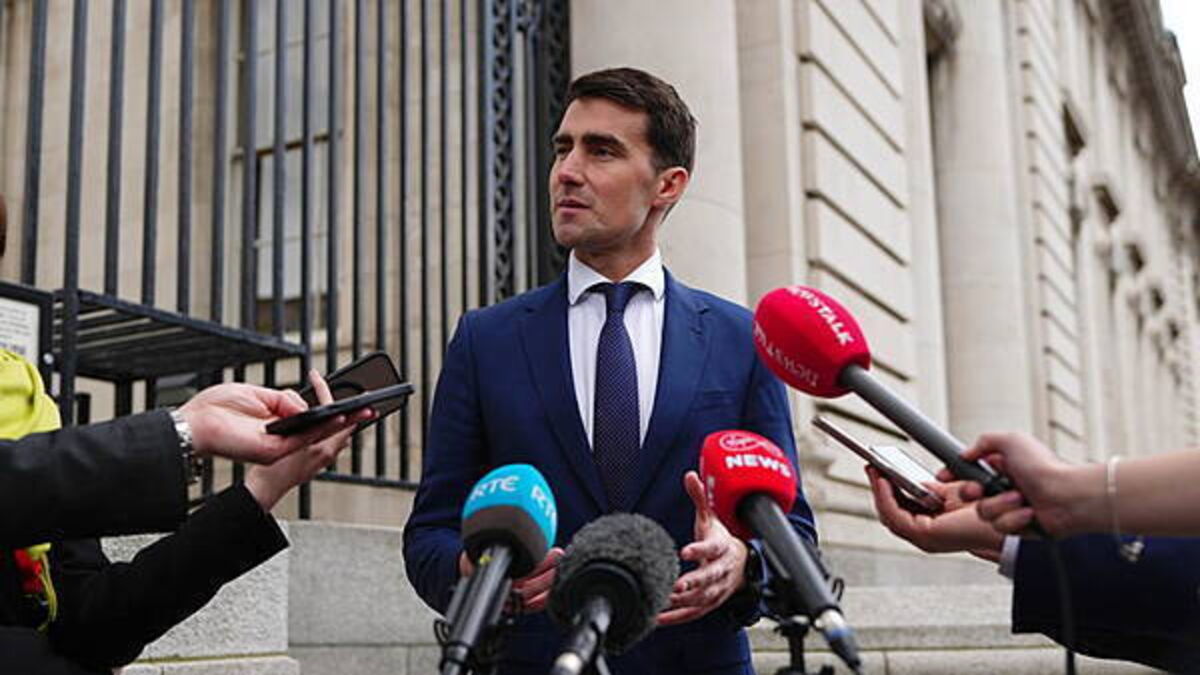
It is a “missed opportunity” that public sector workers are being asked whether they want to take part in industrial action, Jack Chambers said.
The Public Expenditure Minister said it was “unfortunate” that discussions with trade unions did not continue into the summer before a ballot for industrial action was called.
He said the deal for public sector workers would need to be “affordable”, “sustainable”, and “within the fiscal parameters that we’ve clearly agreed”.
“It’s unfortunate, and I think a missed opportunity, that trade unions decided to ballot members rather than engaging in further discussions through July and in the summer,” he told Newstalk radio.
Fórsa opened a ballot for industrial action among 90,000 workers in the public service after the Public Service Agreement 2024–2026 expired at the end of June.
This includes clerical workers, admin staff and managers in the health sector; civil servants; local government and State agency workers; and non-teaching workers in education, such as school secretaries and special needs assistants.
The trade union said preliminary talks with Government to agree a basis for a successor deal had failed, after it said there was not sufficient assurance that a new agreement would address cost-of-living concerns.
The union’s National Executive Committee (NEC) has recommended a vote in favour of industrial action.
The ballot opened on Tuesday will remain open until September 1.
Fórsa general secretary Kevin Callinan said public sector workers were dealing with “sustained increases” in the cost of living and said a ballot for industrial action was needed to protect their interests.
“The previous agreement has now expired, and there is no successor in place,” he said.
“That means there is no framework governing pay or wider workplace arrangements at a national level.
“This ballot gives members the opportunity to have their say on how we respond.
“It is a necessary step to ensure Fórsa members’ voices are heard and their interests are defended.”
Chambers said that the Government had honoured “very fair” deals over the last number of years, had expanded the public servants working to over 70,000 over several years and were “prioritising” the expansion of public services.
“But again, any deal for the future has to be sustainable,” he said.
“We won’t agree a deal at any cost, and we hope we’ll have discussions through September, but we’ve had previous times where, for example, we had discussions in December of a calendar year, and the budget would have been agreed in October.
“I have to ensure that what we do is responsible and affordable, and that’s the context in which we’ll enter the pay discussions. But I’m clear that I want a deal, industrial peace is good for Ireland, and I think it we value the stability that it provides in terms of day-to-day public services.”
Chambers also insisted that the rate of growth of public expenditure was “slowing” after ballooning since 2019.
He repeated comments he made before about “driving greater reform” across the public service and said remote working was providing “flexibility” to workers.
On Budget 2027, to be announced on October 6th, he said the Government wanted to “reward work and support workers”.
He said they would be due to spend €125 billion next year, but said it was important that they “prioritise reform for better public service delivery” and “keep the focus” on building housing and public infrastructure.
He said there would be a surplus of up to €9 billion, and €24 billion would be set aside for two long term savings funds.
He said they would cap spending growth at 6 per cent for the coming year.
“We’re slowing it on day-to-day spending, and that’s for two or three reasons, first of all, to manage the risk which is there,” he said.
“I will not agree to a budgetary framework which risks Ireland’s future, and I think people expect us in managing their taxpayers’ money to be very careful in the decisions that we make.
“I think people expect us in managing their taxpayers’ money to be very careful in the decisions that we make, that we don’t have expansion at a time where there’s risk, and that’s why we’re slowing the level of spend.”