Dogs, horses and goats among 112,000 animals used in Irish lab experiments last year
Darragh Mc Donagh
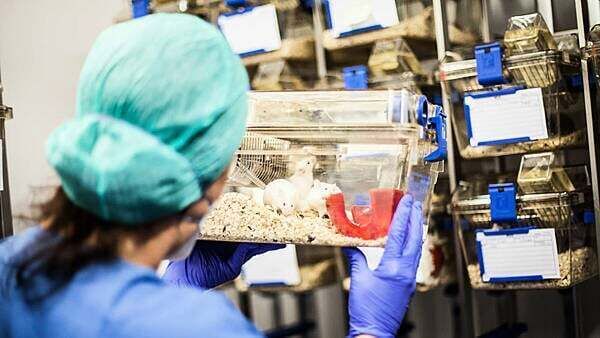
More than 112,000 animals were used for research and testing purposes in Irish laboratories during 2024, representing a five per cent increase on the previous year, new figures have revealed.
Mice were used in almost 86 per cent of the experiments but other species included dogs, guinea pigs, rabbits, horses, goats, and ferrets. Around 1,400 animals were used in more than one experiment.
Just over 19,000 of the experiments involved “severe” pain and suffering for the animals, as categorised by the Health Products Regulatory Authority (HPRA), which is responsible for protecting animals used for scientific purposes.
The increase in the use of animals in Irish labs for a second consecutive year has been criticised by the Irish Anti-Vivisection Society (IAVS), which said the rise in “severe” experiments was particularly worrying.
“The number of experiments involving the infliction of ‘severe’ pain and suffering remains unacceptably high, with 19,054 enduring such extreme cruelty, representing an increase of over 44 per cent, or almost 6,000 animals, in just two years,” said a spokesman.
The statistics are driven by the fact that Ireland develops and produces around 80 per cent of the world’s Botox-type drugs, each batch of which is typically tested for potency in fatal experiments involving mice.
“For each test, the mice are divided into three or four groups, each receiving different strengths of the [Botox] toxin,” explained Dr Dan Lyons, public policy consultant with the IAVS.
The regulatory tests are classified under the highest category of suffering, as the toxin causes paralysis, respiratory distress, and inability to access food or water. The mice ultimately die from suffocation, dehydration or starvation over three or four days.
The batch potency tests are required because botulinum toxin is a biological product and can vary in strength from batch to batch. Each batch is therefore tested for safety before being released for human use.
Dr Lyons accused the Government and the HPRA of having a “laissez-faire” approach to experimental cruelty to animals, claiming that research and testing is being “rubberstamped” without seeking to reduce pain and suffering.
In its report, the HPRA said it aims to improve the welfare of animals used for scientific purposes. “Every application received for a project involving animals is subject to a detailed evaluation process… and requires robust scientific justification,” it stated.
“Any harms experienced by the animals must be outweighed by the expected benefits of the work.”
The latest statistics show that mice were used for research and testing 96,333 times last year, while rats were used in 6,221 experiments. Pigs were used 2,233 times, and sheep were used 2,096 times.
Other animals that were used in labs during 2024 included guinea pigs (1,721), rabbits (964), dogs (56), ferrets (30), horses and other equines (100), cattle (994), and goats (30).