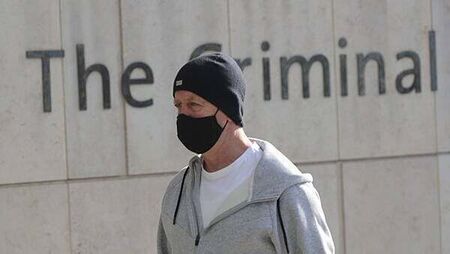
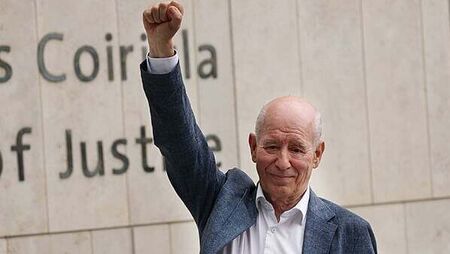
Jury told to set sympathy aside in trial of retired superintendent and four gardaí
David Raleigh
A jury in the trial of a retired Garda Superintendent and four serving gardaí, who are accused of unlawfully quashing potential or pending road traffic prosecutions, was told they could not allow any “sympathy” they may have for the accused to get in the way of determining their verdict.
Closing speeches began on Wednesday in the trial of retired Superintendent Eamon O’Neill, Sergeant Anne Marie Hassett, Sergeant Michelle Leahy, Garda Tom McGlinchey, and Garda Colm Geary.
The five accused have pleaded not guilty to a total of 39 counts of engaging in conduct that tended or was intending to pervert the course of justice. The majority of the charges, 27 in total, have been against Mr O’Neill.
The court heard Mr O’Neill exchanged text messages with motorists that he knew or had a close association with, in respect of allegedly attempting to quash traffic tickets on their behalf.
This involved passing on requests from the motorists seeking help in relation to traffic tickets issued to them, to garda colleagues, including the four serving accused gardaí, with a view to having the alleged offence “squared” or not pursued.
In his closing speech to the jury, Mr Hanahoe argued that Mr O’Neill had interfered in the potential or pending prosecutions because he knew or had a “close association” with the vast majority of the individuals involved, which included members of the Limerick senior hurling panel and a local politician.
“The common feature is the personal close connection of Eamon O’Neill and how that worked its way down to the other defendants.”
Mr Hanahoe argued that what was central to the alleged attempts to square away summonses and fixed charge penalty notices was “who do you play for, and who do you work for” rather than any legitimate use of a garda’s discretion.
Mr Hanahoe argued that barristers for the five accused had attempted to “distract and befuddle” the jury over eight weeks of evidence into believing that the trial was about “garda discretion” - which the trial heard was a legitimate part of policing in that a detecting garda could decide to pursue a prosecution or let a person off with a warning.
“In reality, none of the accused were the detecting garda members and none of them were exercising discretion,” argued Mr Hanahoe.
“In reality, we are not talking about discretion at all. It’s the prosecution’s case that discretion was replaced by preference, and who do you play for, and who do you work for; we are no longer talking about discretion or good policing.”
“We are talking about whether or not some people are more equal than others, whether or not some people should be treated differently because of who they are, whether or not they should take the (penalty) points like you or me,” said Mr Hanahoe.
The prosecuting barrister said the alleged attempts to unlawfully quash the traffic tickets “wasn’t by chance or an accident, it was by reason of the close personal connection” between Mr O’Neill and the motorist in the vast majority of the cases.
Mr Hanahoe told the jury they may well have had sympathy for the five accused, including for the four serving gardaí who have been on suspension for the past six years.
Mr Hanahoe, however, told the jury they could only determine a verdict based on the evidence and not on sympathy or prejudice.
“You could not but have sympathy for the accused, you’ve heard Eamon O’Neill was brave in his duty, you’ve heard the four garda accused have been suspended and the impact of that on them.”
He added that other gardaí of senior rank had been suspects in the investigation led by the Garda National Bureau of Criminal Investigation, but they had not been prosecuted.
“All this, I say, has no relevance to your deliberations, because they are matters that evoke sympathy which you must not consider.”
Barristers for the five accused had acted “like a magician saying look over here and forget what we are here to examine” in attempting to distract the jury away from the evidence, added Mr Hanahoe.
“You must appraise the evidence in a cold and dispassionate way, without prejudice and without sympathy,” he said.
Mr Hanahoe’s closing speech continues on Thursday and will be followed by five closing speeches from barristers on behalf of the five accused.
As part of a pilot project BreakingNews.ie has used AI to suggest headline options for this article. The final headline was chosen and edited by BreakingNews.ie journalists. Find out more