Laois couple lose crèche place over €450 deposit
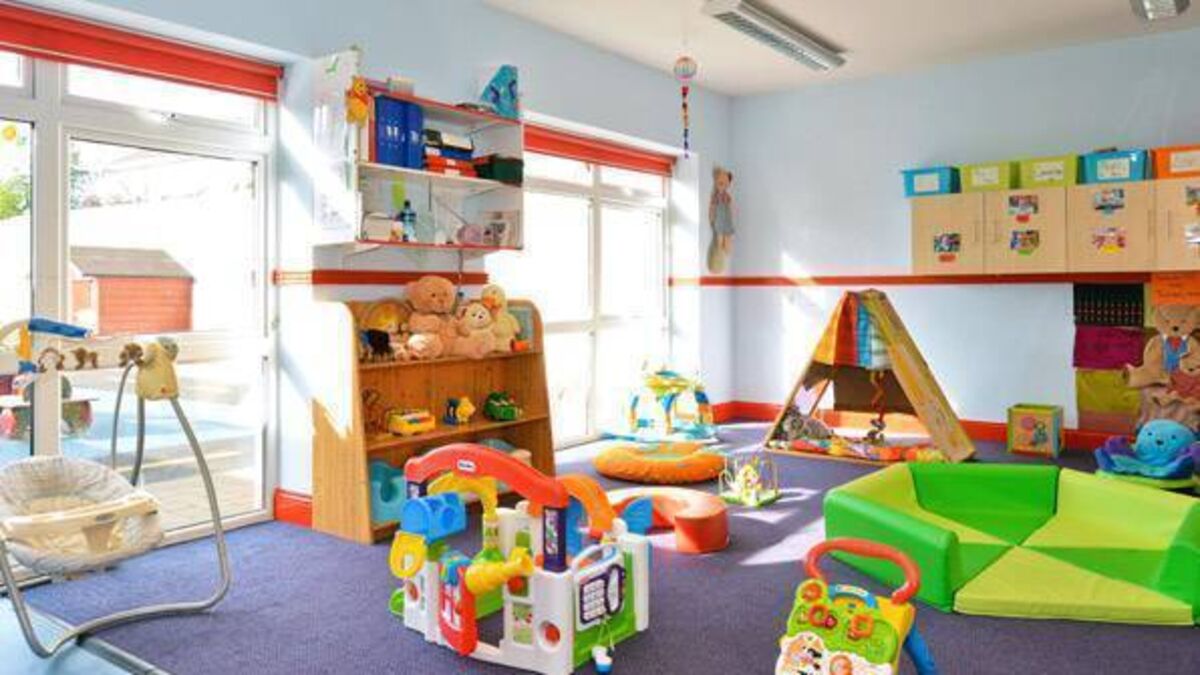
File image for illustration
A LAOIS couple lost a crèche place for their child when they were unable to pay a €450 deposit within 48 hours, the Dáil was told.
The space in a private crèche would have cost €1,430 a month, according to a letter the couple wrote to Deputy Brian Stanley.
The Laois TD highlighted the case in Dáil Éireann last week, as he asked that the county be considered for one of the first State-led, publicly-owned childcare facilities, under a new pilot scheme introduced in January. Locations for the pilot scheme have yet to be announced.
During questions to Norma Foley, Minister for Children, Disability and Equality, Deputy Stanley contended that there is ‘a chronic shortage’ of childcare spaces in Laois and the county is over-reliant on private providers.
He said: ‘I received a letter this week from one couple, who said they were offered a space for €1,430 per month in one provider. The crèche wanted a €450 deposit within 48 hours, which they were not able to come up with. They lost the place.
‘That shows the pressure on just the market-led ones. We need that government scheme. I know the minister has announced the purchase of eight or nine buildings. Everyone will be looking for them, but Laois has a strong case.’
The Independent TD said that there are no all-day childcare spaces in Stradbally or Mountrath and there are shortages in towns such as Portlaoise, Mountmellick, Portarlington, Graiguecullen, Rathdowney, Durrow and Abbeyleix.
He added that, according to the county’s childcare committee, Portlaoise needs four full-day facilities while Portarlington needs one, as do Mountmellick, Mountrath, Stradbally, Graiguecullen, Rathdowney, Abbeyleix, Durrow and the Cullohill area.
He said: ‘The pilot of eight to nine is obviously welcome. It is a small start. We could put all eight or nine in Laois. I urge the minister to put at least one or two there. The current model is not able to match the growth in population in the county.’
The Portlaoise-based TD asked department officials to contact local estate agents and Laois Co Council, to see if a suitable property could be secured for a State-run childcare facility.
He said: ‘Laois is one of the fastest growing counties in terms of population, outside of Dublin and there is real pressure on childcare places.
‘There is a chronic shortage of spaces in the county, including for one- to three-year-olds. We have the private model, but we are over-reliant on that. It has weaknesses in the context of having to have separate leases or ownership of buildings, separate insurance, separate administration and payrolls.
Deputy Stanley said that, while he welcomed the groundbreaking scheme, it costs €1,430 per month to mind a child and wages in the Laois area are not high enough for families to meet those costs.
In a written response, Minister Foley said: ‘Improving access to quality and affordable early learning and childcare is a key priority for the government. Early learning and childcare capacity is increasing. However, it appears that demand for early learning and childcare remains higher than available supply in certain parts of the country, particularly for younger children.
‘I recently announced €135 million in capital investment in buildings for high-quality, accessible State-led early learning and childcare. The process will begin in 2026 with investment in buildings, in what will be a ground-breaking initiative for this government.
‘Capital funding will be used to acquire and fit out buildings. In some instances, it might just be the fit-out of the building.
‘There will be a particular focus in the new State-led facilities on providing places for children between one and three years old, with scope for these children to progress in the service until they start school. The aim of delivering additional supply of this type in suitable locations will include both rural and urban areas that are currently not well served.
‘Another factor to consider is the need to rebalance supply in some areas, where there is a high concentration of private supply but very low levels of community childcare.'