Significant rise in cocaine-related deaths with young men most affected
Eva Osborne
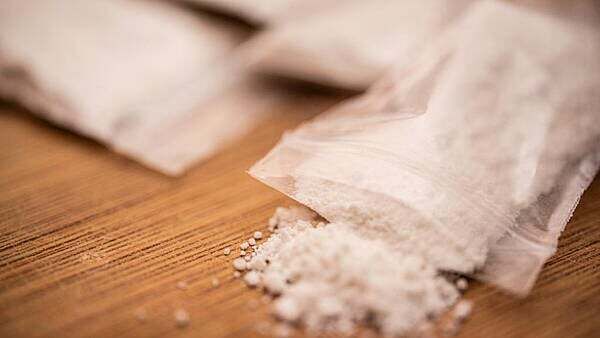
There has been a significant rise in cocaine-related deaths, particularly among young men, according to the latest figures from the Health Research Board (HRB).
HRB figures show that cocaine was the second most common drug overall in 2022 and was involved in one in three drug poisoning deaths that year.
In 2022, eight in 10 deaths involving cocaine also involved other drugs, most commonly heroin, methadone and other prescription drugs.
Between 2013 and 2022, cocaine poisoning deaths increased by 259 per cent, the largest increase of any drug group.
Men account for the majority of drug poisoning deaths, similar to previous years. Cocaine was the top drug implicated and was involved in two in five of male drug-related deaths in 2022.
Cocaine was followed by methadone, alprazolam, and diazepam.
For women, methadone was the top drug involved in poisoning deaths in 2022, when it was implicated in three in 10 of these deaths. Methadone was followed by diazepam and pregabalin.
The HRB's latest bulletin showed that there were 343 drug poisoning deaths recorded in Ireland in 2022.
This represents an 8 per cent decrease on 2021 (373 deaths). It is the second consecutive year that these deaths have fallen.
Commenting on the key findings, HRB chief executive Dr Gráinne Gorman said:⯠“These figures clearly convey the devastating impact of drug use in Ireland – let us not forget, especially as we approach Christmas, that behind the numbers are people, including children, who have lost loved ones.
“This is why the HRB does this work; to better understand why and how these deaths are happening. This can help inform preventative measures, which will ultimately save lives.”
Head of National Health Information Systems at the HRB, Dr Suzi Lyons, said: “HRB findings are key to understanding the impact of drug use in Irish society and informing policy around supports and prevention.
"Our latest figures show that cocaine accounts for the largest increase in poisoning deaths during the 10-year period from 2013-2022, increasing by 259 per cent.
The vast majority of deaths involve prescribable drugs such as methadone and diazepam, and mixing drugs is a major factor in deaths.
“If we look at the profile among people who died, the majority are men, in their 30s and 40s, and many had a history of mental health issues.”
In 2022, the median age of those who died from a drug-posioning related death was 45 years for men and 46 for women.
Two in five people had a history of mental health issues and almost one in two were alone when the poisoning occurred.
At least two in five were not in employment and most were living in stable accommodation.
Almost half lived in Dublin (city or county), and more than one in 10 were experiencing homelessness.
'Every statistic is a person'
The Simon Communities in Ireland said the report highlights the "devastating reality of drug-related deaths in Ireland".
In a statement, the homeless service said: "Nearly one in 10 (8.5 per cent) were experiencing homelessness at the time of death.
It is important to remember that behind every statistic in this report is a person whose life mattered, and whose tragic death was preventable.
"Housing must be seen as healthcare. Secure housing provides stability, safety and dignity, and creates the conditions necessary for people to engage meaningfully with mental health and addiction services.
"Almost half (44 per cent) of those who lost their lives had a documented history of mental health difficulties. Both stigma and the complex nature of addiction and mental health difficulties act as barriers to accessing care.
"Services must meet people where they are. This requires properly resourced multidisciplinary mental health and addiction supports with expertise in dual diagnosis, delivered across the health system and embedded within homelessness services.”