Change to legal burden of proof for suicide to be considered

By Cillian Sherlock, Press Association
The Government should consider changing the legal burden of proof of suicide to a “balance of probabilities”, according to a new report.
The current standard of proof to return a verdict of suicide by a coroner is “beyond a reasonable doubt”, which campaigners have said means it is being underreported.
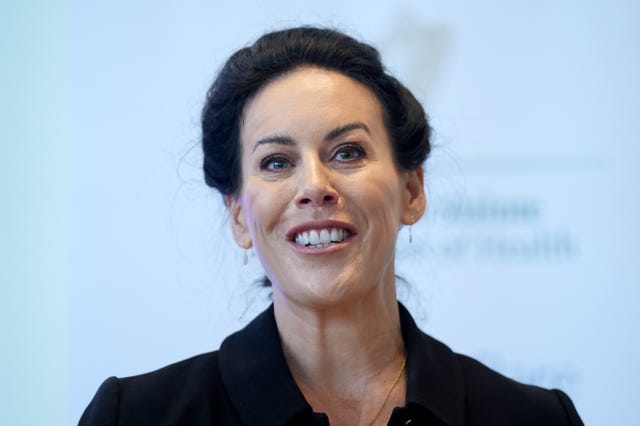
The Government’s latest strategy to reduce suicide and self harm was launched by Taoiseach Micheál Martin and Health Minister Jennifer Carroll MacNeill on Wednesday.
It makes a series of recommendations on reducing suicide and self-harm.
In official figures from the Central Statistics Office, the rate of suicide in Ireland has declined in recent years.
The report says the standardised rate was 12.9 per 100,000 in 2000 – declining to 8.6 in 2022.
The latest 10-year strategy sets an “ambitious” minimum target of reducing that rate to seven by 2035.
The report says the reduction in the rate over recent years was “welcome” but said that, because of an increasing population, the overall number of people dying by suicide has consistently remained at about 500.
An estimated 60,000 people are affected by suicide bereavement each year.
In Ireland and internationally, men are significantly more likely to die by suicide than women.
However, women have consistently higher rates of self-harm and non-fatal suicide attempts.
The decision as to whether someone has died by suicide is a legal determination made by coroners.
Consultation before the publication of the strategy identified that the coroner’s court process was often described as “distressing”.
It said there was a need to significantly reform the Coroner Service, with consideration to be given to revising the burden of proof for determining deaths by suicide.
It said it should consider changing it from beyond a reasonable doubt to a balance of probabilities.
The strategy also recommends that the Department of Health, the Central Statistics Office, coroners and the HSE should continue to work together to develop a system to improve the timeliness of official suicide mortality data and establish a real-time surveillance system for deaths by probable suicide.
Overall, the Government said its strategy prioritises “compassionate, person-centred care” with a focus on strengthened crisis support in hospitals and communities, expanded community-based services, trauma-informed approaches, and improved access to support for those experiencing self-harm.
Martin said: “Every death by suicide is a tragedy that leaves a deep and lasting impact on families, communities and our society as a whole. While we have made important progress, even one death is one too many.
“This new strategy represents our collective commitment to build on that progress and to address the root causes of suicide and self-harm.
“It will require a whole-of-government and whole-of-society response, and I am confident that, working together, we can create a future where more people feel supported, valued and hopeful.”