Dublin café manager nicknamed 'Sofia Vergara' by employer awarded nearly €4,000
Darragh Mc Donagh
A café manager who was nicknamed ‘Sofia Vergara’ by her employer and was ridiculed because of her accent has been awarded compensation of almost €4,000 for harassment.
Vedrana Miskic, who had worked at the Cake Café in Dublin 8 for just over four weeks before her dismissal in May 2025, was also awarded an additional €3,762 in respect of other breaches of employment legislation.
In her complaint against Aspenvale Limited, the company that owns the café, Miskic alleged that her employer, Giulio Takacs, referred to her as Sofia Vergara, the Colombian actress, and made fun of her accent.
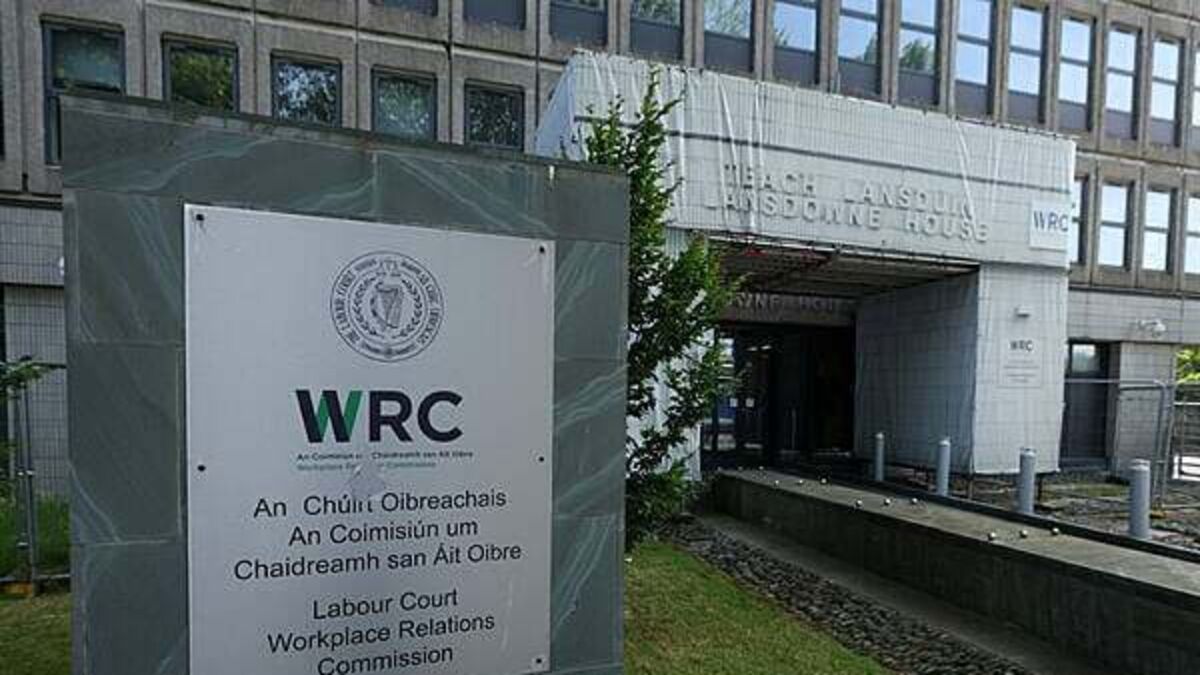
The Workplace Relations Commission (WRC) heard that she had endured a chaotic work environment during her short time at the café.
She had to write hazard analysis and food hygiene procedures herself so the business could trade legally.
Miskic testified that she had worked hard to manage the owner’s chaotic approach.
He installed a CCTV camera that captured audio so he could monitor workers and customers on his mobile phone, but this was disabled following staff concerns.
Takacs instructed staff to remove Pride flags that had been hung in the café by the previous owner.
However, he claimed that this had been done only because they were greasy and covered with flies.
Miskic also alleged that the owner had manipulated WhatsApp messages to delete comments that he didn’t like.
WRC adjudication officer Catherine Byrne said Takacs’ use of AI in his submission led her to suspect that this allegation was true.
He categorically denied all allegations of discrimination and racism, and argued that Miskic had either resigned during a confrontation on May 17th, 2025 or was dismissed on legitimate grounds due to a breakdown of trust.
In her decision, Byrne said she had found Miskic to be a credible witness and had found Takacs to be “less so”.
She said the complainant had established the basic facts that her accent had been ridiculed by her employer, and that this had constituted harassment under the Employment Equality Act.
She ordered the respondent to pay €3,762 to Miskic for the harassment, which was the equivalent to four weeks’ pay.
A further €3,762 was awarded under the Terms of Employment (Information) Act as she had not been provided with a core statement of terms when she started work.
While Byrne was satisfied that Miskic had not resigned from her position and had been unfairly dismissed, she rejected the claim that she had been sacked for discriminatory reasons or for opposing discrimination.
The total awarded to Miskic amounted to €7,524.