EU needs to reduce number of visas given to Russian citizens, says commissioner
By Cillian Sherlock, Press Association
The EU needs to do more on reducing the number of visas to Russian citizens, the bloc’s internal affairs commissioner has said.
Commissioner Magnus Brunner said member states were being asked to reduce the number of visas issued to Russian citizens, suggesting current rates were incompatible with support for Ukraine.
Brunner attended a meeting of justice and home affairs ministers in Dublin as part of Ireland’s presidency of the Council of the European Union.
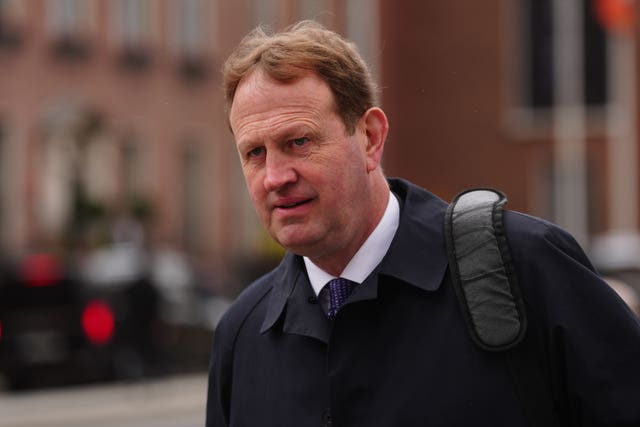
Asked about concerns held by Baltic states about Russian citizens receiving visas into EU member states for holidays, Brunner said he agreed “with their worries”.
He told reporters at a press conference at Dublin Castle: “We did a lot of changes already with the entry visas, for instance.
“So the numbers were going down – the four million visas which we had before the war started, to about between 500-600,000 visas now.
“But I agree with the Baltic states and with their worries that we need to do more – it’s still too many.
We do ask those member states who still issue, in our view, too many visas (to Russian citizens) to look into that and reduce the number
“We can’t always talk about supporting Ukraine and on the other hand issuing visas to Russian citizens.
“I would say nobody understands that in Europe.
“So we do ask those member states who still issue, in our view, too many visas to look into that and reduce the number.”
Asked about timelines, Brunner said it was for foreign ministers to decide in the new sanctions package.
Justice Minister Jim O’Callaghan said he was “very sympathetic” to the concerns.
O’Callaghan said Thursday’s meeting had touched on EU security in the context of visa policy, including refusing visas for former combatants or diplomatic passport holders from states that “pose a threat”.
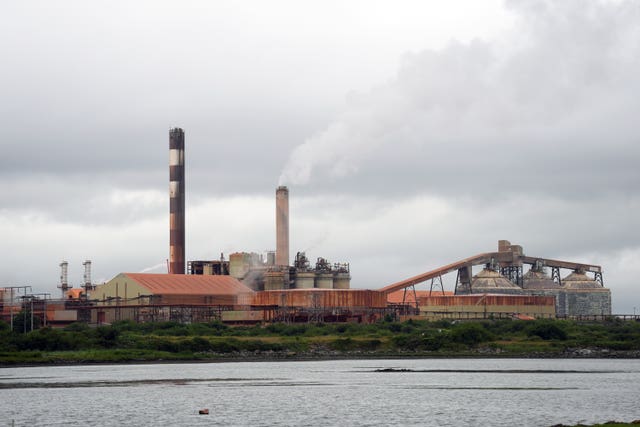
Concerns have also been raised about Irish-produced alumina being used in Russia’s invasion of Ukraine.
The Limerick-based Aughinish Alumina plant is Europe’s largest supplier of alumina and has a Russian parent company.
An investigation by The Irish Times and the Organised Crime and Corruption Reporting Project (OCCRP), published in March, reported that material from the plant is sent to Russian smelters, where it is converted into aluminium used to supply manufacturers of the missiles, tanks and aircraft in the war against Ukraine.
The Department of Enterprise is conducting an investigation into the refinery and it is expected to be completed within the coming days – after the Dáil rises for the summer.
If that (Department of Enterprise) report comes back and if it does indicate that there is material which is being produced in Aughinish which is going to help the military war machine against Ukraine, I have no doubt that there will be strong measures in response to that by the Irish Government
The report will be sent to the European Commission, which has responsibility for determining future sanctions.
O’Callaghan stressed that there was a need for the report to be finalised before commenting.
“People cannot reach conclusions based on suspicion or allegations, or, I suppose, reports that aren’t grounded firmly in fact.
“But if that report comes back and if it does indicate that there is material which is being produced in Aughinish which is going to help the military war machine against Ukraine, I have no doubt that there will be strong measures in response to that by the Irish Government.”
Pressed on whether any of his EU counterparts had raised the matter during Thursday’s meetings, he said: “No-one mentioned it.”