Major rise in Ketamine detection in Dublin's water waste
Molly O'Reilly
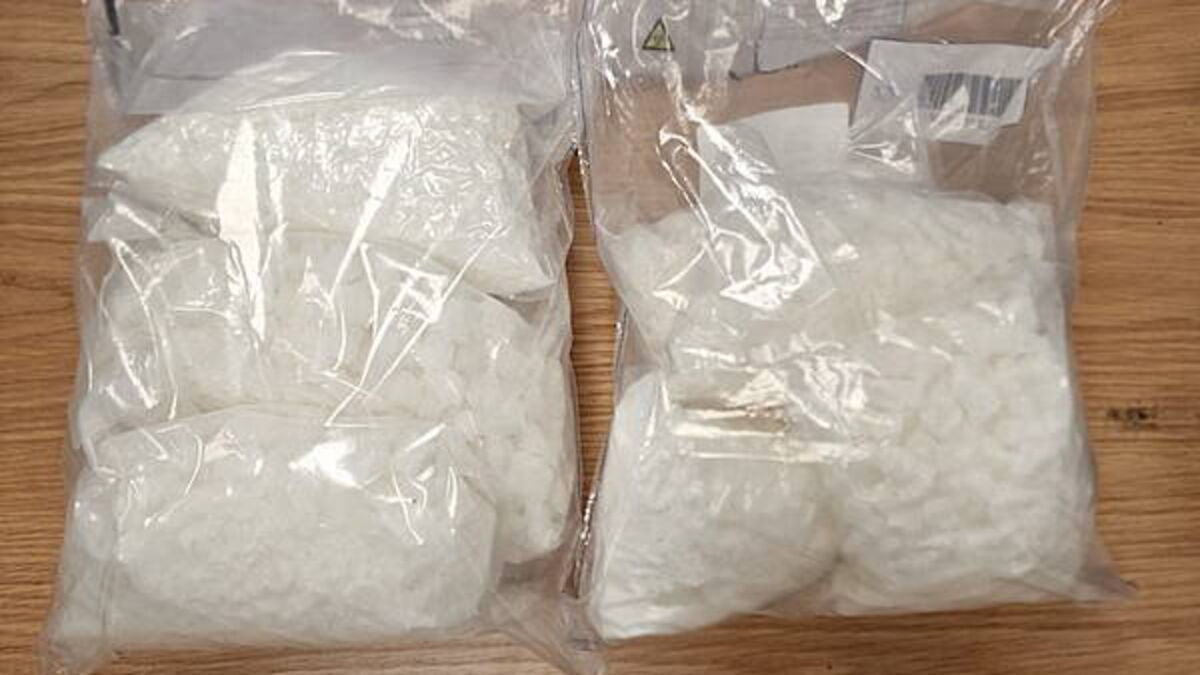
The level of Ketamine detected in Dublin’s wastewater has risen by 42 per cent in a year.
Samples from the Ringsend Treatment plant were examined by researchers from the European Drugs Agency (EDA) along with 114 other cities.
Ketamine is a short-acting anaesthetic with hallucinogenic properties. It is sometimes prescribed to treat depression and anxiety, but also abused by recreational users.
The rise is in line with a wider increase across European cities, according to the EDA. "From 2024 to 2025, overall, the loads of ketamine detected in wastewater in European cities increased by 41 per cent," the report stated. It found that around 50 per cent of the cities showed higher loads of ketamine in wastewater during the weekend than during weekdays, reflecting the predominant use of ketamine in recreational settings.
Measuring illicit drug levels and numbers of microbes related to infectious diseases are proven public health indicators. During the Covid-19 pandemic extensive testing of Irish wastewaters was conducted to get an indication of virus levels circulating in particular areas.
Joao Matias, Principal Scientific Analyst at the agency, said that those who use drugs need to "pay particular attention" to know exactly what is in the substances they are consuming.