Michael O'Leary to receive nearly €5k per day under new Ryanair contract
Gordon Deegan
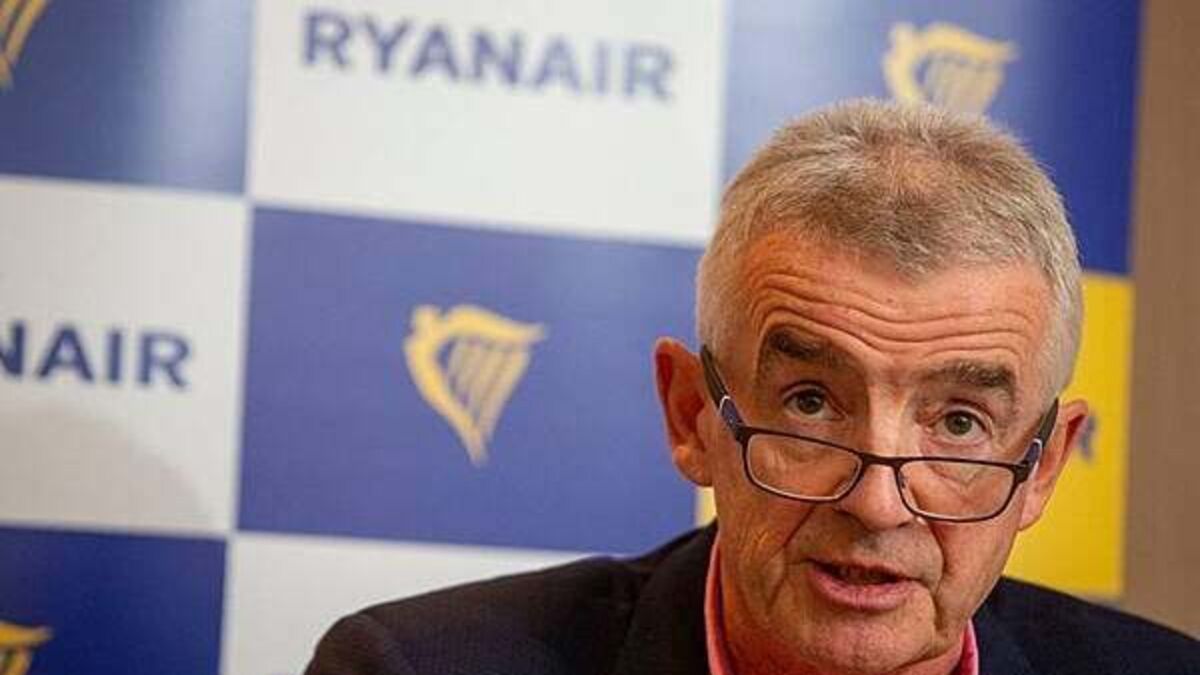
Ryanair chief executive, Michael O’Leary, is to receive a 50 per cent increase in basic pay to €1.8 million per annum as part of his new four-year contract agreed to 2032.
The new pay deal for the high-profile O’Leary works out at €4,931 per day or €34,615 per week before bonuses and share options are taken into account.
Last Friday, Ryanair announced the contract extension with O’Leary, with the airline stating that it contains a “modest annual salary and a capped annual bonus”.
Now, the airline’s 2026 annual report published on Monday provides further detail.
It states that arising from the new contract from FY28, O’Leary’s basic salary will rise from €1.2 million to €1.8m million per annum, with no further increases over the term of the contract and it also contains a maximum annual bonus that will be capped at no more than 50 per cent of basic pay.
The annual report states that Ryanair’s remuneration committee (RemCo) recognises that this one off 50 per cent salary increase in FY28 appears significant, but is satisfied that the increase is merited as it represents an annual increase of only c.4.5 per cent p.a. over the combined nine-year term of the Group CEO’s current and future contracts.
The Remco also state that when combined with a modest bonus cap of 50 per cent of salary, compared to 200 per cent typically offered to CEOs in similar sized companies, and nil pension, O’Leary overall annual cash remuneration is among lower quartile when compared to CEO packages at other Irish/UK companies of similar size.
The new contract also includes a one-off option for O’Leary to purchase 10m shares, structured along similar lines to the 2019 purchase options.
The options will be exercisable at a strike price of €26.70/$65.00, but only if the Ryanair Group profit after tax grows to over €4 billion in any year up to FY32 or if the price of either the company’s ordinary share exceed €42 for a period of 28 consecutive calendar days during the period FY27 to FY32.
Remco state that it recognises that this option award is somewhat unusual when compared to long-term incentive structures typically used for senior executives in listed companies, "but believes this structure better reflects what is required to motivate and retain a highly entrepreneurial and exceptional leader like Mr O’Leary".
The annual report states that there is significant shareholder support for O’Leary’s contract extension and feedback received from this exercise was considered when finalising the ambitious share option performance targets.
The report discloses that O’Leary’s pay-package of €3.83 million for the 12 months to the end of March this year remained unchanged from last year.
The package included bonus payments of €600,000, basic pay of €1.2 million and share options of €2.03 million.
A note attached to the accounts states that the €2.03 million component is through the company recording a technical non-cash accounting charge in relation to share options granted to O’Leary.
The note states that no such payment was made to O’Leary.
O’Leary’s pay remained unchanged against the background of the most successful in the 40-year history of Ryanair, with record traffic of 208 million passengers and record profits of €2.26 billion.
The annual report shows that Ryanair’s Irish based revenues this year increased by 18 per cent from €757.4 million to €896.6 million.
The airline’s Irish business accounted for 5.7 per cent of overall revenues of €15.54 billion as Italy remained the airline’s most lucrative market at €3.36 billion, followed by Spain at €2.69 billion and UK revenues of €2.27 billion.
In his message to shareholders, O’Leary said that "from FY30 onward, when we start taking to up 50 aircraft annually, we expect to deliver traffic growth of 15 million guests p.a., leaving us well placed to hit our target of 300 million passengers by FY34".
The total amount of remuneration paid to senior key management amounted to €16.7 million in FY26 compared to €14.7 million last year and that included this year a €5.9 million non-cash technical accounting charge in relation to unvested share options.