Fr Paddy Byrne: Dolly Parton ‒ an iconic Christian
x
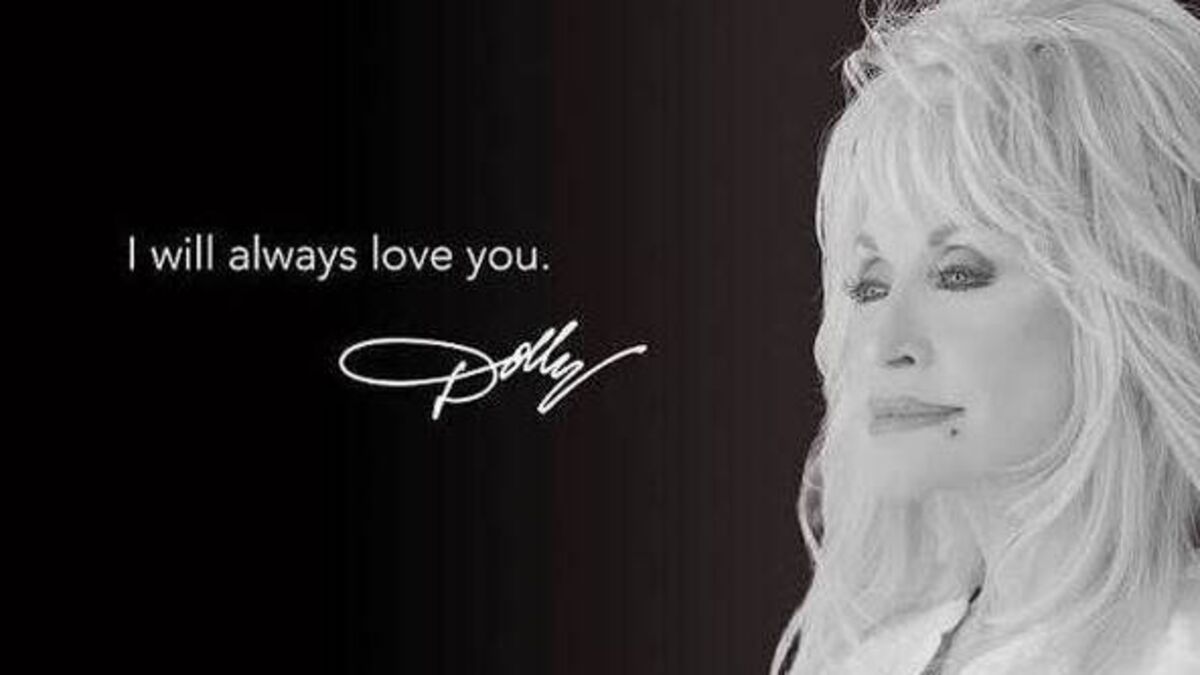
DOLLY Parton (19 January 1946-25 August 2026) lived a life that, viewed through a Christian lens, shines as a vivid testimony of God’s grace meeting human grit, creativity and generosity. She died peacefully at 80 in Nashville, as announced by her nephew Bryan Seaver, who shared that she “has lived in the light and is in the arms of Jesus, surely met by Carl (her husband, who died in 2025), her parents and countless others.” Born the fourth of 12 children into deep poverty in the Great Smoky Mountains of Tennessee, Parton grew up in a home shaped by faith. Her maternal grandfather was a Pentecostal preacher; the family attended a little mountain church where scripture, prayer, hymns and the conviction that “through God all things are possible” formed the air she breathed. She began singing and playing in services as a small child. Songs like later retold her childhood with biblical echoes of Joseph’s coat, of dignity amid lack and of a mother’s love that turned scraps into treasure. Her music often carried gospel themes of seeking God resurrection, hope and trust.
Parton never claimed to be a perfect Christian or a conventional churchgoer. She described herself as “not that religious” but “very, very spiritual,” someone who talked to God “like he’s my best friend,” kept a personal Bible background and insisted that faith in something greater than herself was essential. She openly called herself a “vanilla sinner” â too bad to be purely good, too good to be purely bad â and admitted struggles of doubt and decision. Yet she repeatedly credited God as co-writer and co-pilot of her gifts, dreams and endurance. In times of darkness, she returned to that “God core,” reigniting it through prayer, scripture, love and creativity. Her long marriage to Carl Dean, her steady work ethic and her refusal to abandon her roots all reflected a life oriented towards gratitude rather than bitterness.
Her public fruit â songwriting that gave voice to the overlooked, the that has placed hundreds of millions of free books in children’s hands, support for education and her home region and a public persona of kindness, humour and accessibility â embodied practical neighbour love. She turned success into service, echoing the biblical call to use one’s talents rather than hide them under a bushel. In an industry that can reward ego, she largely kept a posture of humility mixed with joyful flamboyance, insisting the light belonged to the Giver.
Christian reflection on her death invites both thanksgiving and honest hope. Scripture reminds us that ‘precious in the sight of the Lord is the death of his saints’ (Psalm 116:15) and that ‘nothing can separate us from the love of God in Christ Jesus’ (Romans 8:38-39) â a truth Parton herself found sustaining after personal crises of faith. Her nephew’s words place her in the presence of Jesus. For believers, death is not the end of the story but the doorway into fuller life with the One who rose. Parton’s own gospel recordings and lifelong trust point in that direction: the same God who met a mountain girl in poverty, who sustained her through fame and loss and who received her husband is the God who receives her now.
Her legacy is not celebrity for its own sake but a reminder that ordinary faith, practiced imperfectly yet persistently, can bear extraordinary fruit. She showed that one can love glitter and still love God; that one can dream big and still stay rooted; that one can succeed spectacularly and still give extravagantly. In the face of her death, we can pray gratitude for a life that pointed many towards hope, kindness and the possibility of redemption. And we can hold the Christian hope that the One who wrote her first songs in a cabin and who holds the universe together has welcomed her home where the music never ends.
While Dolly Parton ranks as one of the most iconic artists in country music â and in all popular music for that matter, as her induction into the Rock & Roll Hall of Fame can attest â her song ranks as her most definitive song, a stand-out in a catalogue that includes several standards. Released in September 1971 as the second single and title track from the album of the same name, it’s an astute example of autobiographical insight, told from a personal perspective while sharing lessons that are universal in a broader expanse of emotion. Indeed, few songs share such singular sentiments and reveal as much about the artist that offers them.
The narrative is simple yet direct, gleaned from Parton’s rural upbringing as one of 12 children raised in a one-room cabin in the mountains of East Tennessee. Like many Appalachian families, the Partons were impoverished people with barely enough means to scrape by. Those memories of her rural roots are still an integral part of her persona, one that defines her even today. The song itself was inspired by real-life circumstances. Her mother was given a collection of rags of various colours and subsequently used it to sew her daughter, Dolly, a multi-hued coat while relaying to her a Bible story about Jacob giving his favourite son Joseph his own coat of many colours. Parton was delighted, but when she wore the coat to school, her classmates teased her about taking such pride in a coat that consisted of rags.
These powerful lyrics are deeply inspired by Christian values of faith, hope and love: