Laois house listing 8.9 per cent higher than last year in second quarter of 2026
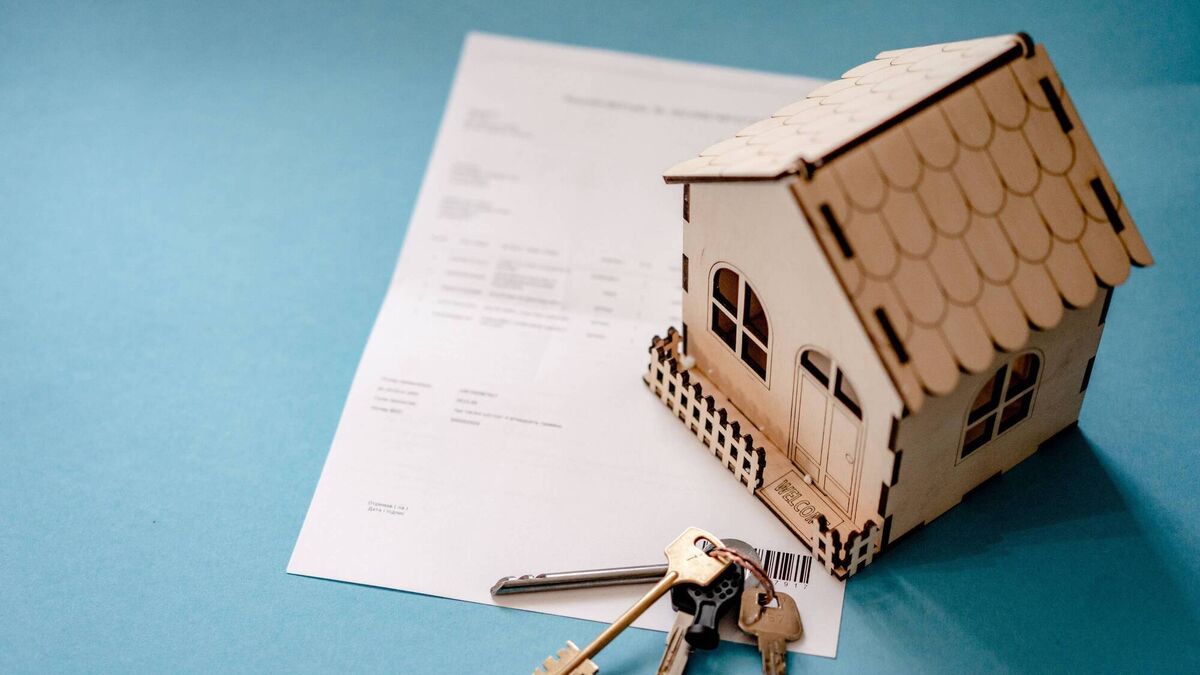
The typical price of a three-bedroom semi-detached house listed in the Laois was €303,000.
IN LAOIS, listed house prices in the second quarter of 2026 were on average 8.9 per cent higher than a year ago, according to the latest sales report from Irish property website Daft.ie.
The typical price of a three-bedroom semi-detached house listed in the Laois was €303,000. Meanwhile, the average national list price rose by 3.8 per cent in the year to June 2026. This is down almost half from the rate of 6.8 per cent seen a year earlier.
Nationally, the average price of a three-bed semi-detached home in the second quarter of the year was €445,000. On average, listed prices are now 44 per cent above their pre-COVID levels and just 8 per cent below their Celtic Tiger peak.
A similar easing is evident in transaction prices. Analysis of transactions registered in the Property Price Register and matched to the Daft.ie database suggests that prices rose by 3.2 per cent in the year to June – the slowest rate of increase since 2023.
In quarterly terms, transaction prices rose by just 0.6 per cent between March and June. The typical gap between the initial listed price and the ultimate transaction price – a measure of market heat – narrowed to 5.5 per cent nationally, down from 6.8 per cent a year earlier, as competition between buyers eased.
Beneath the national figures, a two-speed market has emerged, with the slowdown led overwhelmingly by the cities.
In Dublin, list-price inflation has roughly halved over the year, to 3.0 per cent, while early indications suggest that transaction prices are slightly lower than this time a year ago – the first annual decline since 2023.
Across the four other major cities, list prices are now essentially flat at -0.2 per cent year-on-year. By contrast, inflation remains strong outside the cities, at 4.8 per cent in Leinster, 6.3 per cent in Munster and 8.8 per cent in Connacht-Ulster.
These differences are closely linked to trends in supply. On June 1st, there were just over 13,100 second-hand homes for sale nationwide, up 6 per cent on a year ago but still only around half the pre-pandemic norm of over 26,000.
The improvement is concentrated in urban markets: availability in Dublin is now close to its pre-COVID average, while supply remains tightest in Munster outside the cities (66 per cent below the 2015-2019 average) and in Connacht-Ulster (down 64 per cent).
Ronan Lyons, professor of economics at Trinity College Dublin and author of the Daft.ie Report said the defining theme of the second quarter of 2026 is “a broad-based slowdown in price inflation”.
He writes: “Nationally, list-price growth has eased to 3.8 per cent, down from 6.8 per cent a year ago, while early transaction-price figures point to a similar cooling. But this deceleration is far from uniform – it is being led, overwhelmingly, by the cities.
“In Dublin and the other major cities, price growth has slowed sharply … This is consistent with a market where supply is recovering, following the long shadow of higher interest rates, and competition between buyers is easing slightly.
“Outside the cities, the picture is very different … In these markets, supply remains acutely tight, and new-build activity, though growing, is not yet enough to relieve the pressure. The result is a two-speed market: cooling in the urban centres, where supply is returning, but still running hot across much of rural Ireland.”