Peaky Blinders: The Immortal deserves to be seen on the big screen
x
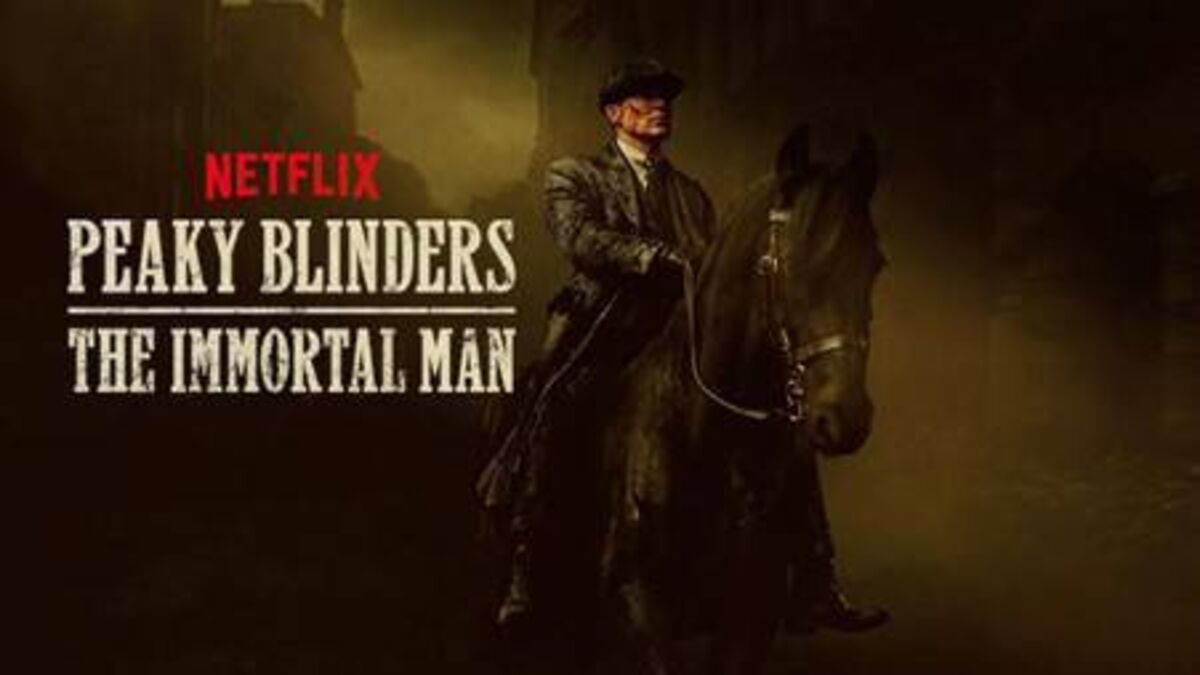
FOUR years after the hit BBC series came to a satisfying conclusion in its sixth and final season, Cillian Murphy dons the flat cap once more in the eagerly anticipated Netflix film . With writer and creator Stephen Knight returning to pen the script, this film promises to be the final chapter in the Birmingham crime saga, which began in 2013. Taking place in 1940, six years after the events of the final season, sees Tommy Shelby, the ‘famous gypsy gangster’ return from a self-imposed exile as Birmingham crumbles under an onslaught of Nazi bombs. With the fate of his family and country at stake, Tommy faces one final reckoning as he wrestles with the sins of his past and confronts his legacy of violence. Fans of (myself being one of them) have been impatiently awaiting the release of this film ever since Tommy Shelby rode off on his white horse at the end of season six in 2022. Now that The Immortal Man has finally arrived, fans will be keen to know ‘was the long wait worth it?’ Unfortunately, this fan was left somewhat disappointed.
is not an objectively bad film. In fact, as a standalone story, by another name, this would be a perfectly enjoyable and entertaining WWII action film. However, compared to the outstanding and already cinematic quality of its parent series, this film continuation pales in comparison. While casual fans and general audiences will likely enjoy this film for what it is, longtime fans of Peaky Blinders, who have been invested in the characters and storylines of the Shelby family for the last 13 years, could be quite disappointed and even shocked by some of the creative choices made in this film. With that disclaimer out of the way, let’s discuss the good and the bad of .
The film begins with an excellent opening sequence that introduces the main villain, Beckett, and quickly sets the stage for a war-time drama. Inspired by true events, the plot involves a Nazi scheme to bring about the collapse of the British economy and secure the defeat of the only country in western Europe left to oppose the Third Reich. British fascist and Nazi sympathiser Beckett arrives in a blitzed Birmingham to set this plan in motion. To help facilitate this act of treason, he recruits Duke Shelby – the illegitimate son of Tommy Shelby – who is now running the Peaky Blinders gang in a far more lawless and ruthless fashion than his father ever did. Desperate for paternal approval and bereft of a moral compass, Duke agrees to aid the Nazi plot and betray his country in return for protection and lucrative financial reward. Meanwhile, the question on everyone’s mind is ‘what ever happened to Tommy Shelby?’ Having abandoned his son and criminal empire, Tommy now resides in a dilapidated country mansion, isolated from the rest of the world. Haunted by the ghosts of loved ones and tormented by a lifetime of guilt, Tommy Shelby is now a mere shadow of the man he once was. When Tommy learns of his sons’ despicable deeds, he is faced with choosing either to forsake his family and country to ruin or return to his old ways and restore order to Birmingham and the Shelby family. As this plot of family legacy unfolds, terrible truths are learned, shocking betrayals are committed and tragic loss is suffered.
Despite an all-star cast, the performances in range from masterful to mediocre. Cillian Murphy has been playing Tommy Shelby for so long now that slipping back into this character must come as second nature to him. While his performance is just as engaging as ever, it feels slightly muted and more restrained than we have seen in the past. At certain dramatic moments, I couldn’t help but feel we needed to see a more powerful reaction from his character, but the emotionally mutilated nature of Tommy Shelby could account for this subdued performance and Murphy nevertheless holds incredible presence onscreen and dominates every scene he is in.
Opposite Murphy, Barry Keoghan plays his estranged son Duke. Keoghan struggles to match Murphy’s electric energy and his Birmingham accent is inconsistent, to say the least. With young actor Conrad Khan having played Duke Shelby in the final season of Peaky Blinders, it’s a shame the character was recast as I do not feel Keoghan was the right choice for this role and many scenes that should have carried greater emotional weight suffered due to a lacklustre performance. In the supporting cast, Tim Roth stars as the villain Beckett. Roth’s performance is purely perfunctory and feels recycled from other villains he has played in the past. Sophie Rundle also returns as Tommy’s sister Ada and while her performance is as strong as ever, her character is, unfortunately, given very little to do in this screenplay. Newcomer, Rebecca Ferguson stars as the mysterious Kaulo, a woman connected to Tommy’s past who now seeks his help. Ferguson’s character felt particularly underdeveloped and frankly out of place in this ensemble.
When discussing the cast of this film, we must address the obvious issue of Paul Anderson. Having played Tommy’s eternally loyal brother Arthur in all six seasons of Peaky Blinders, Anderson was, unfortunately, unable to return for this film due to personal issues. Anderson’s absence is painfully felt, but the way his character has been written out of the story is poorly handled and did not feel like the appropriate creative decision.
Where The Immortal Man does succeed is in its bone-rattling soundtrack and beautifully atmospheric cinematography. Irish band Fontaines D.C. feature heavily on the soundtrack and their music proves a perfect fit for the world of Peaky Blinders. Director Tom Harper, having previously worked on the first series of Peaky Blinders, returns to helm the film and proves a competent hand behind the camera. Anyone concerned that this may feel like an extended television episode brought to the big screen can rest assured, this truly looks and feels like a proper film.
is not a perfect film. That is not to say it is a terrible film either. There are plenty of crowd-pleasing moments throughout that are sure to entertain mass audiences and a brilliant soundtrack that fuels the whole thing with high-octane punk-rock energy. Where the film suffers is in a poorly paced plot that struggles to take flight where the original series soared. It was always going to be a challenge concluding a story that has been told across 36 hours of television within a two-hour feature film. While this may not be the most satisfying ending, it is nevertheless the ending and it deserves to be seen on the big screen. is now playing in select theatres before landing on Netflix on 20 March.