Unannounced inspection of Dóchas centre finds women 'infantilised' by prison staff
Ottoline Spearman
An unannounced inspection of the Dóchas Centre found that women were "infantilised" by prison officers, with many interactions "observably disrespectful".
A report released by the Office of the Inspector of Prisons (OIP) on Thursday observed many cases of staff treating women inappropriately, including shouting at them, ignoring them, or using "dismissive language".
“Anything that makes you feel good about yourself, they take it away from you,” one prisoner told the OIP.
"There are officers who encourage us but others treat us like numbers,” said another.
Prison officers infantilised the women by frequently referring to them as "girls", using phrases like "in a minute” or “I’ll come back to you” when women were trying to get their attention.
Officers often walked hurriedly past and ignored them as women banged on the doors and windows of their cells in an attempt to get an officer’s attention.
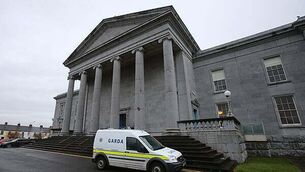
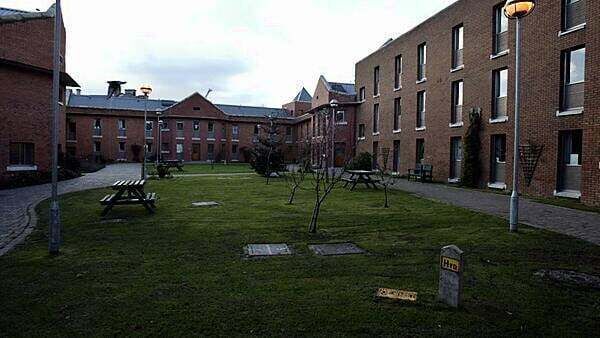
The Dóchas Centre was opened in 1999 and sits within Mountjoy prison. It set out to establish a prison regime that would meet the specific needs of women.
According to the OIP, the Dóchas Centre was regarded as a "highly progressive model of best practice" for female prisoners.
However, this has deteriorated substantially, and the model has "eroded over time to the point that it is evident...that it is no longer the driving ethos of this prison," the report said.
As of September 2023, women made up 4 per cent of the prison population. In its report, the OIP recognised that the needs of women in prison are significantly different from that of men, and as prisons are traditionally designed for men, "there is a risk that [womens'] needs may go unmet in the design and management of prisons".
Prisoner-staff relationships
The lack of trust among women in prison staff was of concern, with just 25 per cent of women surveyed saying they trusted the staff.
Less than one-in-five prisoners indicated that they would consult a member of staff if they had a problem in the prison, with over half saying they would turn to another prisoner for help.
The inspectorate described the relationship between prisoners and staff as "very poor", with "evidence of a staffing culture that negatively affected women in the prison". This was, in part, down to the high turnover in prison management, which impacted staff-management relationships.
The OIP also found that women were discriminated against on numerous grounds, including age, gender, nationality, disability, race/ethnicity and religion.
Further, the Dóchas centre has no policy in place for transgender people, with one case noted where a transgender prisoner was subject to a more punitive segregation regime.
'Lock-back regime'
The report also found that inmates were subject to an "unnecessary" limitation of the time they could spend out of their cells.
The new "lock-back regime" was introduced by management to encourage engagement in purposeful activities and manage staffing shortages. However, it has resulted in the restriction of women’s access to their own houses during scheduled unlock periods.
Individual unlock times were not recorded, meaning that it was not possible to determine how long women were locked or unlocked for.
Niamh McCormack, Legal and Public Affairs Manager at the Irish Penal Reform Trust said: "Women were either locked in their cells or in the yard for 3-hour periods. Those who were in the yard were not permitted inside for any reason, even to use the toilet.
"Inspectors also witnessed women being locked out during a severe storm, shouting to staff to be let back in, with one woman describing their treatment as being ‘left like rats outside’.
“The restrictive lock-back regime, the lack of adequate access to basic sanitary products, and intense management of the small minutiae of daily life described in the report reflect a broader culture of control and infantilisation.
"Women are treated in ways that male prisoners are not, including threats of punishment for things such as standing in doorways or wearing flip-flops outdoors."
"Power relations in prison can be specifically gender-coded in such a way that taps into the vulnerabilities of women who have a history of trauma and abuse.”