Victims of Northern Ireland mother and baby homes speak out as report published
By Claudia Savage, Press Association
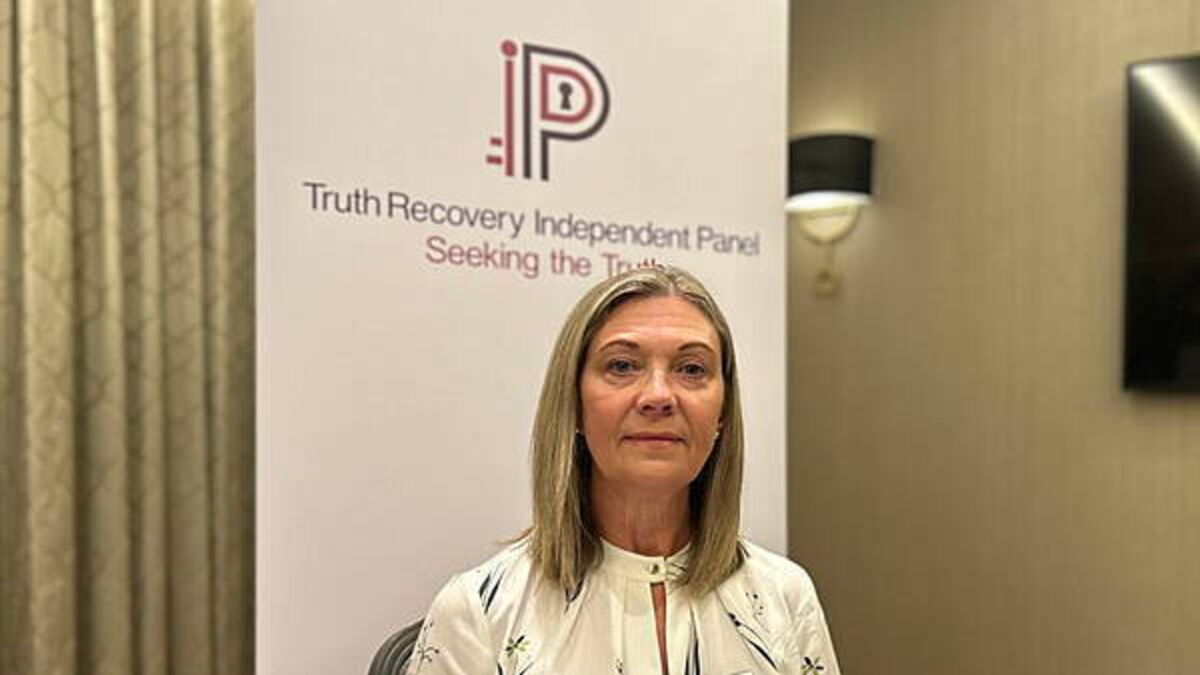
A woman born in a Magdalene Laundry in Belfast has said “coercion and control” played a major role in her adoption, as victims of the institutions tell their stories in a report on mother and baby homes in Northern Ireland.
Maria Cogley was adopted when she was less than two weeks old and was part of the Truth Recovery Independent Panel which published its final report into the workings of the homes.
Another panel member, Roisin McGlone, who was admitted to a mother and baby home when she was 14, said she hopes “traumatised young girls and women feel strong” as the truth of what happened to them begins to come to light.
On Tuesday the panel published their findings on the homes that were run by the Catholic Church, religious orders, some Protestant denominations, and the State, until the 1990s.
It includes a number of recommendations for a planned public inquiry into the organisations.
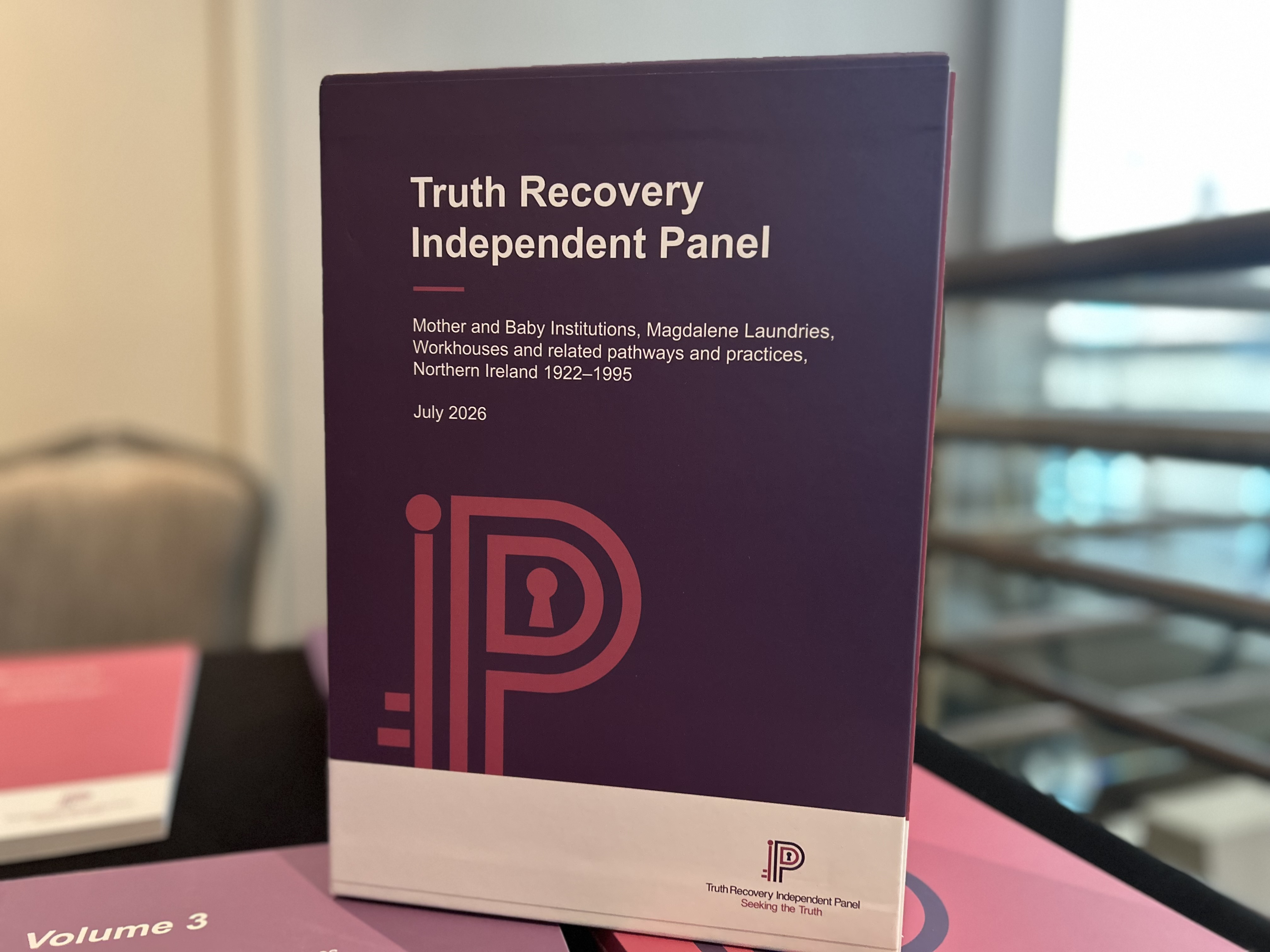
Over 12,000 women in Northern Ireland are estimated to have been admitted to mother and baby homes and over 3,700 to Magdalene Laundries.
Ms Cogley was adopted when she was 10 days old after her birth mother, a 21-year-old student nurse, was admitted to Marianville on the Ormeau Road, Belfast in 1969.
Ms Cogley told the Press Association: “It was only when my first daughter was born that I really started to question was there a reason why I was adopted, because as a child I grew up believing that I was given away and unwanted.
“So being quite an imaginative child, I imagined myself to be an orphan because it was easier to imagine that than it was to think that somebody hadn’t wanted to keep me.
“Of course that wasn’t the case necessarily, coercion and control played a big part in my adoption.”
Ms Cogley was able to track her birth mother down, and after several months corresponding by letter, they met in person.
“The day I met her she gave me a hug, and she said, ‘You’re my daughter, and you’ve always been my daughter, and I’ve loved you from the day you were born’.
“But she had no choice, she’d not been able to keep me.”
Her mother died a couple of years later, and Ms Cogley said she never got the opportunity to dig deeper into her past.
“I only know the little bits of information that she was able to tell me, but one of the things she’d said was that she would hope as the years went by she’d be able to share more with me, but it was just too painful for her to relive,” she said.
“So sadly she’s not around at the minute, so that’s one of the reasons I’m not only advocating for myself and for her, and the many others in similar circumstances.”
After leaving Marianville her birth mother went on to marry her birth father and have two children, so Ms Cogley discovered she had two full siblings, one of whom was born just 14 months after her.
She said it was a “challenge” to process that her birth parents had reunited, after growing up thinking her mother may not have known her father, or potentially was the victim of an assault.
“To find out that actually they stayed together, so I could have been part of that family, and I often wonder, would I be the person I am today if I hadn’t been adopted, would I have been somebody completely different?,” she said
She said being part of the panel was “hugely important” but also “very challenging”.
“Before I started this process, I’ve never spoken to anyone else that was adopted like me, and to meet people who have had very similar experiences to mine, we’ve created great friendships and bonds out of it,” Ms Cogley said.
“And also just to be able to talk to someone who totally understands what it was like to grow up not having your adoption talked about, not knowing anything about your birth circumstances, and to grow up feeling that you weren’t loved and you were given away, which actually for many of us was further from the truth than you could imagine.”
Ms McGlone, who was admitted to Marianville at 14 years old and gave birth to a son who was adopted, said being on the panel was a “long and arduous” process, adding: “I believed that it was time to speak out about what had happened to me”.
She said the panel have done “a lot of heavy lifting” for the public inquiry, and expressed hopes they’ll take the reports recommendations on board.
“One of the standout things for me was the vulnerability of young women that were coming into a system, and the shame and the stigma that they suffered, and that really, if we bring this forward to the present, it’s about accountability,” she said.
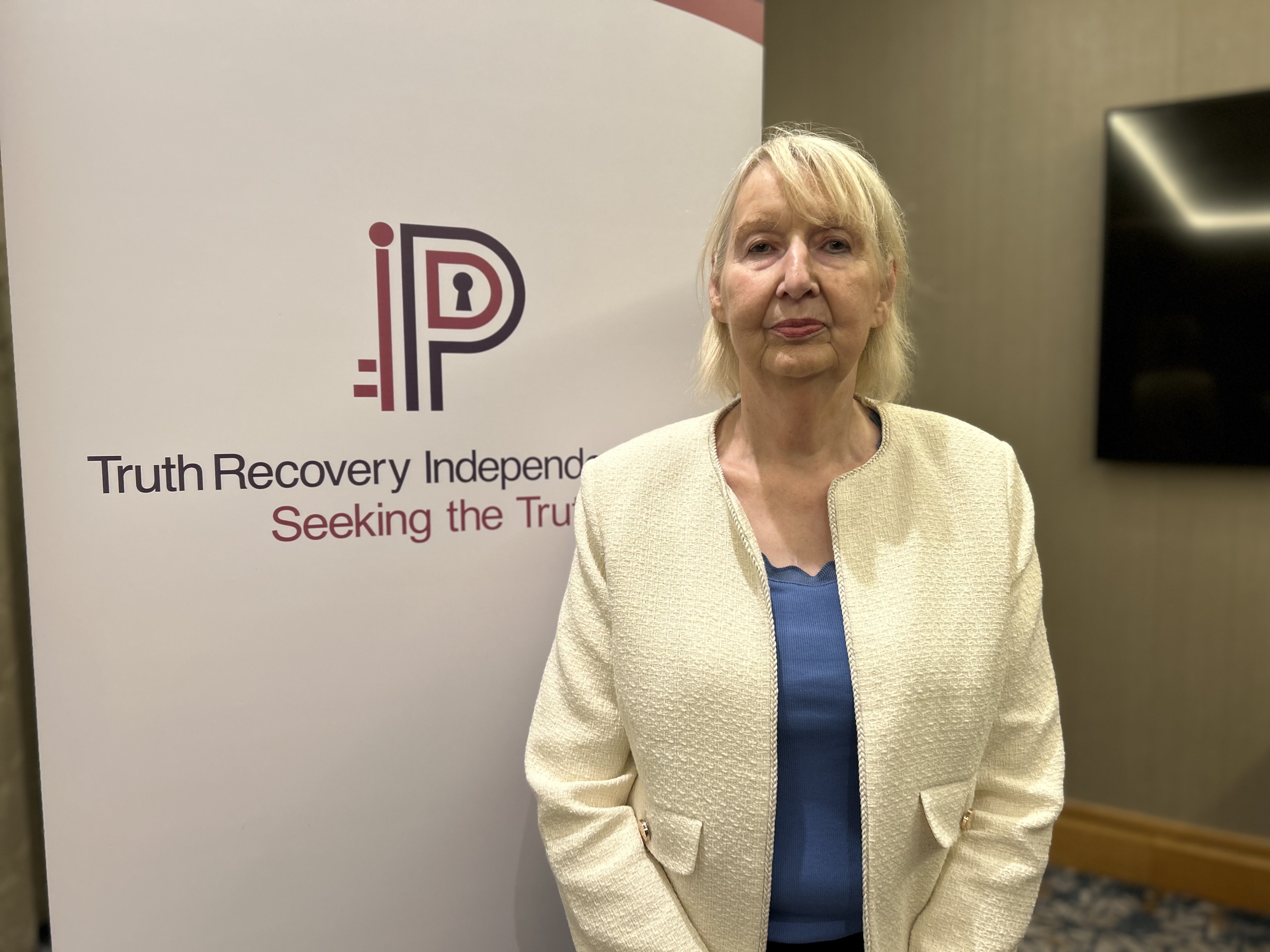
“It’s about accountability of the state, it’s about accountability for the institutions and the churches that were involved in the cruelty and in the isolation of young women behind closed doors and the shame and the stigma that that caused, which resonates right to this day for many people.”
Ms McGlone said the publication of the final report felt “bittersweet”.
“It’s really strange, because today’s like a milestone for me,” she said.
“I look at that report, and it’s so large, it’s almost like a monument.
“I hope the victims and survivors see themselves in it, and I hope they see their stories, and I hope those defenceless, traumatised young girls and women feel strong and feel that they’ve been heard and listened to.”