Working deaf people facing huge bills for hearing aids
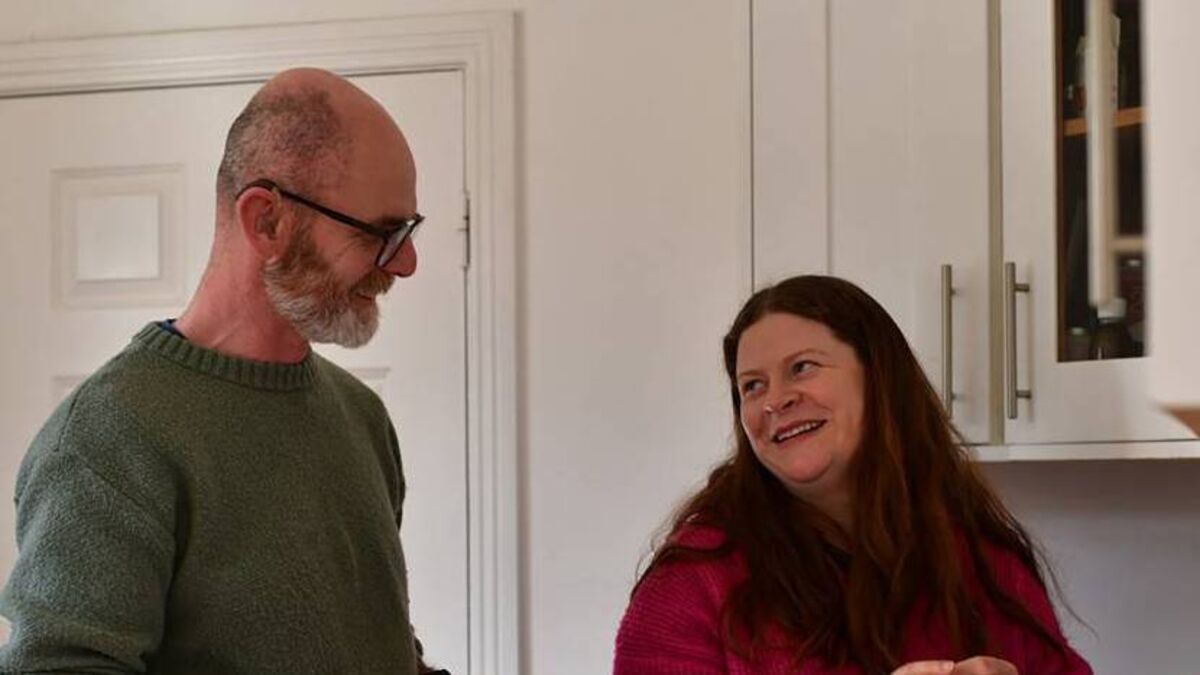
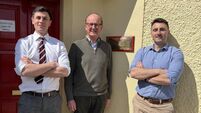
James Reardon and Ruth McSkane, Deaf advocates.
WORKING deaf people in Laois are facing extortionate bills for hearing aids, according to advocates.
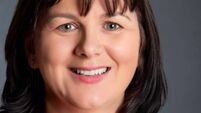
Maggie Owens, an educator based in Laois, was born deaf. “I rely on hearing aids for everyday communication,” she says.
“I can't hear any high frequency sounds,” she continues. “I can't hear if an alarm goes off, all those high frequency sounds or even a lot of speech.” Maggie was previously entitled to free hearing aids through the HSE. However, since 2003, she has been deemed too far above the income threshold to qualify for a medical card.
“All I want is the hearing aid and that's the problem because they're saying that I'm earning too much to be on the medical card,” she says.
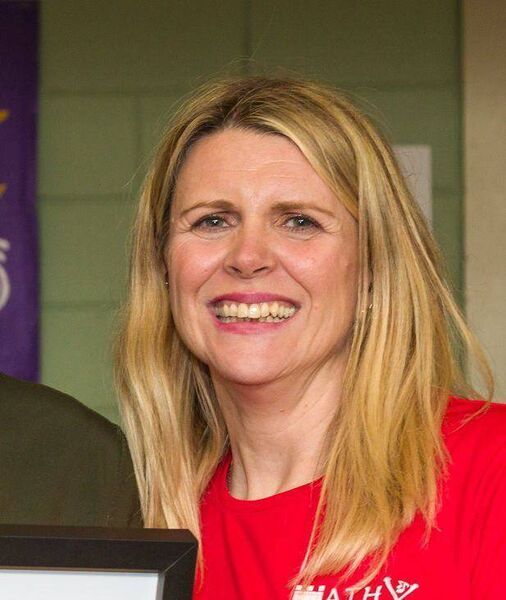
Maggie says she has used her HSE hearing aids since 2003, adding: “They're about 20 years old, but they're ready to go.” She now faces a €6,000 bill, €3,000 for each hearing aid. Another option is a cochlear implant, which she can avail of through the HSE. However, Maggie has concerns.
“If I lose my hearing tomorrow morning or next year, if my hearing goes, then I will consider a cochlear implant … it's a massive operation.” Maggie cites the documentary film A Quiet Love, which captures the love stories of three deaf couples.
One of the subjects, a deaf man and professional boxer, discovers he cannot undergo an MRI scan because of his cochlear implant.
“Let's just say in the future I became sick and I needed to get an MRI scan, I can't get it because I have a cochlear implant, I would have to get it removed.”
Maggie would like to have the option of getting hearing aids. “You have people who are born with epilepsy and their medicine is very expensive, so they're on the special card where they got the medicine for the rest of their life for free. Why can't that be the case?"
Maggie is not alone. A Laois-based working deaf couple with three young children are facing a €10,000 bill for hearing aids. They say they are being penalised for working to move away from disability allowance.
James Reardon, a healthcare assistant, and Ruth McSkane, a special needs assistant, say the high cost of replacing essential hearing aids places a huge burden on working families.
They say a treatment benefit scheme, which grants them €1,000 each per pair, taking €2,000 off the €12,000 total, does not go far enough.
“Working adults who are deaf are being penalised for doing everything society asks of them,” says James, who lives with his family in Portarlington.
“Hearing aids are essential to us,” he continues. “Without them, we cannot do our jobs or fully participate in society.” Maggie echoes James’s sentiments: “It causes a lot of stress and anxiety because when you need your hearing aid to communicate and then when you're struggling to hear, when you're straining to hear, it can affect your mood.”
Chime, Ireland’s national charity for deaf and hard of hearing people, highlighted James’ and Ruth’s case on world hearing day on Tuesday 3 March.
The charity is calling for the immediate publication of the long-delayed Department of Health National Hearing Care Plan, which, it says, must include full, non-means-tested coverage of hearing costs.
According to Chime CEO Mark Byrne: “We need to see an equitable and well-resourced National Hearing Care Plan now, which must include full, non-means-tested coverage of hearing aids so families with hearing loss are not left struggling.” The charity states that there are 13,868 children aged up to 18 currently on the HSE waiting list for assessments for hearing loss. This is in addition to 12,849 adults.
“The government set up a working group in 2024 to develop a new National Hearing Care Plan with the specific purpose of looking at public-private audiology service provision to address these waiting lists,” added Mr Byrne. “But we have yet to see any findings.”