Is the heatwave giving you brain fog? Here’s why

By Camilla Foster, PA
As sizzling temperatures sweep across Ireland this week, many of us are starting to feel more than just the physical effects of the heat.
Heatwaves can also take a toll on our mental performance, leaving us feeling sluggish and unfocused.
We spoke to cognitive rehabilitation therapist Natalie Mackenzie, also known as The Cognitive Strategist, who explained some of the reasons behind this heat-related brain fog, and shared some handy tips on how to combat it.
What is brain fog?
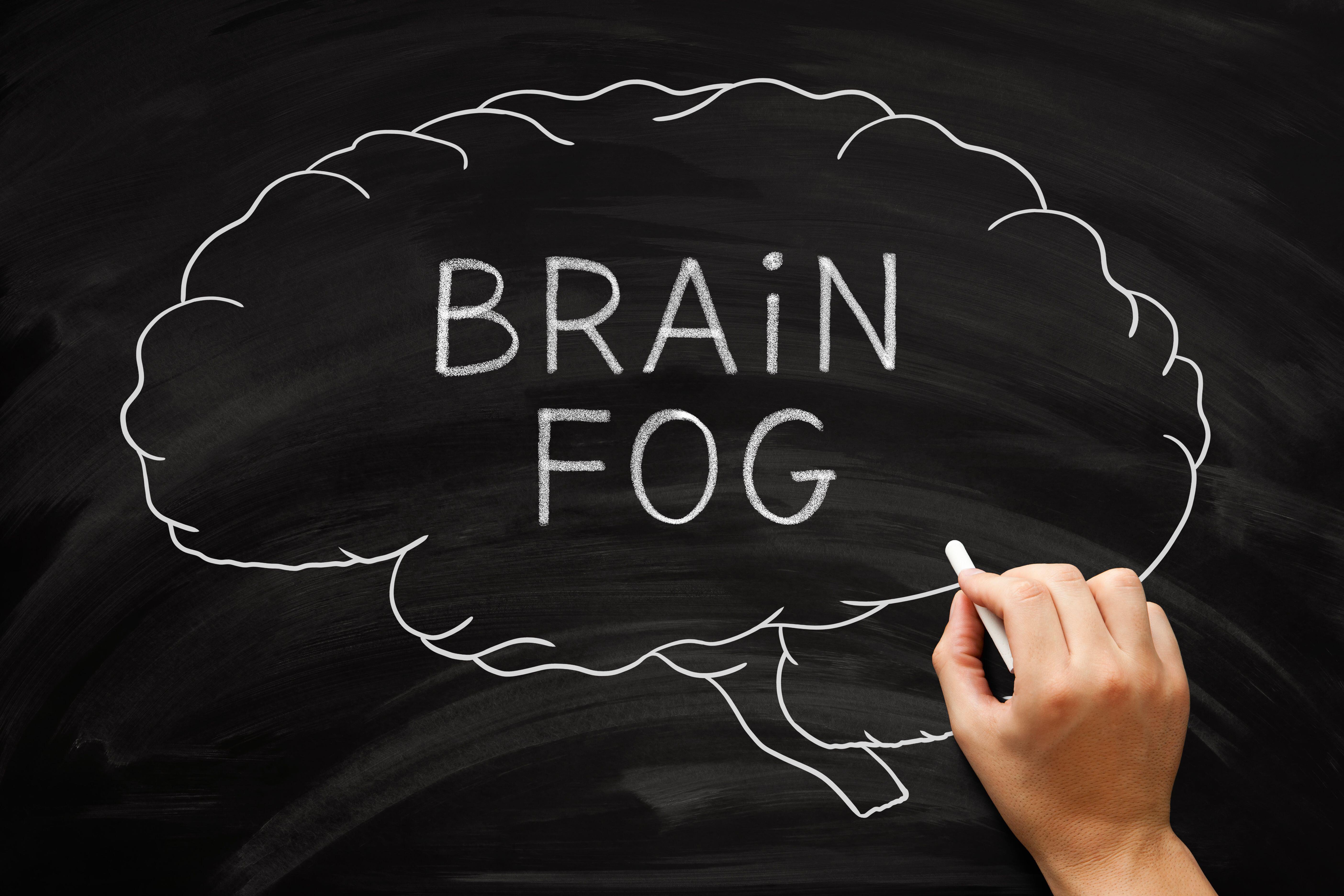
“Brain fog is not a medical diagnosis, but some people describe it as muddy thinking, an inability to make decisions, poor attention or just not really feeling ‘on it’ – and it can show up differently to different people,” says Mackenzie.
“Brain fog is often associated with menopause and perimenopause, tiredness or the heat.”
Why are cognitive functions, such as memory and concentration, often impacted by heat?

During a heatwave, the brain’s hypothalamus redirects energy and blood flow toward the skin to cool the body, explains Mackenzie.
“Our hypothalamus, which is the brain’s thermostat, constantly monitors body temperature and makes sure that when our temperature goes up, that our body cools down through sweating,” notes Mackenzie.
“Our heart rate also increases during the heat, which diverts a lot of energy and blood flow away from the brain which can affect cognitive function. Things like attention and concentration, which are at the bottom of the cognitive pyramid, tend be affected first.”
This can have knock-on effects on other cognitive functions, like our memory.
“This creates problems with filtering, distraction, and focus, which then impacts working memory, which is in the next layer of the pyramid,” says Mackenzie. “This is because if people can’t focus and attend, then they can’t keep things on their working memory, can’t hold information and can’t manipulate it to then put it into longer-term memory.”
She adds that people can also experience problems with decision making and executive function, which are higher level cognitive functions, in the heat.
“People can’t weigh up information as much, processing speed slows and people often experience a cascading effect that goes down the different cognitive domains,” says Mackenzie.
Can the heat also impact our mood?

“Some people find that because their decision-making is impaired, or because their body feels under stress, this can impact their emotional responses,” notes Mackenzie. “In the heat our blood flow and body is focused on our survival instincts of cooling down, which can make us go into a more emotional state.
“People often feel more snappy, and potentially more reactive and impulsive, in the heat because they are not utilising those executive functions as well as they usually do.”
What role can sleep play in this?

The heat can have a negative impact on our sleep, which can have significant effects on our mood and cognitive function the following day.
“We want to see a little dip in body temperature to get into that deep sleep state that we need for restorative sleep, but when it’s hot this can be an issue,” says Mackenzie.
“Less time in this deep-sleep state impacts our sleep architecture, which then impacts memory consolidation and can impact the glymphatic waste clearance process [which keeps your brain tidy by clearing out waste while you sleep, according to the Cleveland Clinic]. Then the following day you get the compound effects of the cognitive impact of poor sleep.”
Does dehydration play a part in this?
“Even a small fluctuation in hydration, just tipping into slight dehydration, significantly impacts cognitive function, such as decision-making and focus,” highlights Mackenzie.
Here are Mackenzie’s top tips about how to prevent and manage these effects…
Stay hydrated

“It’s important to not forget to stay hydrated,” says Mackenzie. “We also sweat more during a heatwave, so it’s not just about keeping up your normal intake water, as you need to replacing the water you are losing through sweating as well.”
Adjust your schedule
“Consider changing your schedules if you can. For example, start work earlier in the day when it’s a bit cooler,” suggests Mackenzie.
Change your environment
“Try to stay away from hot offices if possible and stick to cooler environments,” recommends Mackenzie.
Align the most demanding tasks with the cooler times of day

“Consider changing how you plan your day around decision making,” advises Mackenzie. “For example, I would recommend doing the more cognitively demanding tasks in the morning or the early evening, when it’s cooler.
“Try to avoid or reduce making any important decisions during peak heat times.”
Have a slightly cooler shower
“Lower your body temperature with a slightly cooler shower rather than a freezing cold shower,” recommends Mackenzie. “Cooling down your wrists and your neck can help reduce that hypothalamic response.”
Create a cool sleeping environment
“Try to keep yourself cool at night,” advises Mackenzie. “Things like fans, no sheets and light cotton can all help protect that sleep, and help you get more deep sleep.”