Heart transplant gives Laois teacher a new lease of life
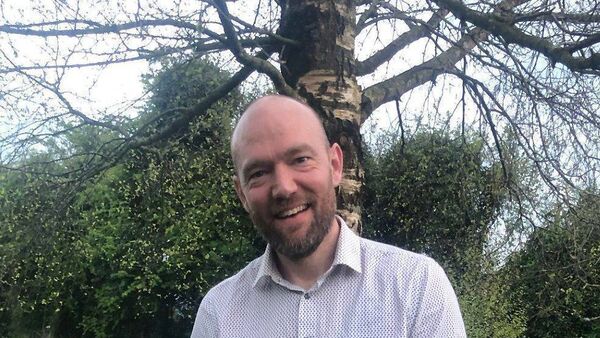
Teacher Nicholas Hines describes his recovery as life-changing, after a diagnosis of heart failure and a subsequent heart transplant. Photo courtesy of Nicholas Hines
A LAOIS teacher who suffered a stroke six years ago is highlighting the importance of early diagnosis and treatment of heart failure.
Clonslee native Nicholas Hines (47), a teacher at Oaklands Community College in Edenderry, suffered a stroke in 2020.
He was admitted to Naas General Hospital, where further investigations revealed underlying dilated cardiomyopathy and sarcoidosis, serious conditions affecting heart function and overall health.
He was later transferred to Dublin’s Tallaght University Hospital, where he received specialist treatment for advanced heart failure. Despite intensive medical management, his condition progressed. In 2024, he underwent a heart transplant.
“My heart failure nurse was a total guide throughout everything,” he says.
“She helped me understand what to look for, what to monitor and how to manage my condition day to day. The heart failure nurses are absolutely fantastic – they don’t just treat you, they empower you.”
He has returned to work and describes his life as active and fulfilling. He says the heart transplant transformed his life.
“My health today is actually better than it was before the stroke in 2020,” he says, adding that he never imagined he would feel this good again.
He says: “It really shows how important early diagnosis is. Catching these conditions early can make all the difference. I’m lucky mine was found when it was.”
Mr Hines is a father of three who moved to Ireland from the United States in 2002. He was speaking as part of European Heart Failure Awareness Week, which runs until Sunday 3 May and focuses on the theme 'Awareness Today, Protection Tomorrow'.
Heart failure affects an estimated 137,000 people in Ireland - 10,000 new patients experience it every year and it is the leading cause of hospitalisation in over-65s. However, public awareness of the symptoms remains low.
To combat this knowledge gap, three heart organisations have organised pop-up heart failure awareness roadshows, which take place across the country.
Crucial warning signs including breathlessness, fatigue, swollen ankles or legs and rapid weight gain.
Dr Angie Brown, medical director at the Irish Heart Foundation, explains: “Heart failure does not mean the heart has stopped, it means it is not pumping blood as effectively as it should.
“Neither does it mean the end of life: with early diagnosis, treatment, and support, people can live well. Awareness of heart failure symptoms and how the condition can be managed is low.
“By meeting people on streets, in shopping centres and local hubs, we can make heart health information more accessible and impactful.”
Members of the public visiting the pop-up events will be offered free blood pressure and heart health checks; one-to-one advice from specialist heart failure nurses; information on recognising the signs and symptoms of heart failure, and guidance on lifestyle changes to support heart health and resources for patients, families and carers.
The public events, running until 8 May, are organised by the Irish Heart Foundation, the heart and stoke charity Croí and the Irish Association of Heart Failure Nurses. Locations include Athlone, Donegal town, Waterford, Galway, Dublin, Cavan, Cork and Limerick.
Dr Lisa Hynes, Head of Health Programmes at Croí, says: “Heart failure can be a life-altering condition, but with early diagnosis and the right support, people can live well.
“Through this campaign and our community roadshow, we want to empower individuals with the knowledge and resources they need to recognise symptoms early and seek help.”
Emer Burke, President of The Irish Association of Heart Failure Nurses, said that Mr Hines’s experience demonstrates the significance of heart failure nurses’ role in empowering patients to live well with heart failure.
“Our heart failure nurses are delighted to support this campaign and we look forward to attending the nationwide roadshows to offer education, signposting and support,” she said.
“Seek medical attention for any symptoms you may have and learn about your risk now, as awareness today really does impact on protection tomorrow."