Over 1,600 people die prematurely from air pollution each year
Kenneth Fox
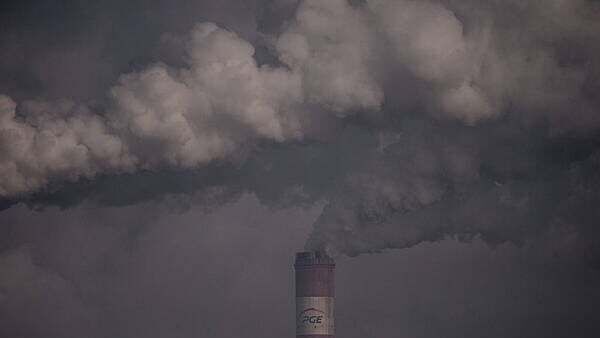
Over 1,600 people in Ireland die prematurely each year due to fine particulate matter from solid fuels, according to the Climate and Health Alliance (CHA).
A new report from the CHA outlines that air pollution has no safe level and contributes to heart and lung disease, stroke, dementia, pregnancy complications, as well as mental health issues.
The report underlines the urgent need for government action to address the invisible health threat.
Children, older adults, pregnant women, and disadvantaged communities are most affected, and the CHA says that failing to act costs Ireland €4.4â¯billion annually in healthcare, productivity loss and reduced economic activity.
Commenting on the report, Social Democrats TD Jennifer Whitmore said that it "makes it impossible to ignore the scale of the health damage caused by air pollution’’.
’We need urgent, collaborative action across government to reduce harmful emissions and protect the people most at risk.
"Clean air shouldn’t depend on where you live or what you earn, it’s a basic right that the Government has a duty to protect.’’
Mark Murphy of the CHA said: “‘Clean air is a fundamental human right, with 1,600 dying prematurely a year, this is nearly ten times the annual number of road deaths in our country.”
Cork City Council social inclusion specialist and city resident, Martha Halbert, is a mother of two who spoke to politicians over her grave concern about the health impact of air pollution on vulnerable communities in Cork City and particularly her daughter living with asthma.
"I am here to reflect my lived experience, both as a community development practitioner and as a parent. Poor air quality has become a threat to my children’s and many others' health in the communities I serve."
The CHA points to successful examples in improving air quality, such as the ban on smoky coal and wet wood, as evidence that strong policy works.
Most air pollutant levels are considerably lower than they were in the 80s and 90s. Sulphur dioxide, a major pollutant, is a huge cause for celebration, with levels down over 90 per cent since the 1980s.
The Environmental Protection Agency (EPA) has expanded monitoring nationwide, providing real-time data and forecasts. Enforcement of fuel regulations has improved, and public awareness is growing.
But while progress has been made, Ireland is still far from meeting the updated WHO Global Air Quality Guidelines.
The CHA’s position paper makes 22 key recommendations to recognise air pollution as a public health priority and implement and progress actions for clean air at different levels of society.
These include increasing public understanding and awareness of air pollution as a major public health crisis through national and targeted awareness campaigns.
They also recommend increasing funding for local authorities to enforce air quality standards and introducing sustainable practices for both housing and active travel.