What is behind the fuel protests?
By Cillian Sherlock, Press Association
The Defence Forces have been put “on standby” to assist with clearing blockades outside some of the country’s major fuel depots.
With the nationwide fuel protests entering a fourth day on Friday, here is an explanation of some of the key points.
What is the reason for the protests?
The cost of petrol, diesel, and marked gas oil (“green diesel”) has soared as a result of the war in the Middle East and impacts on supplies out of the Strait of Hormuz.
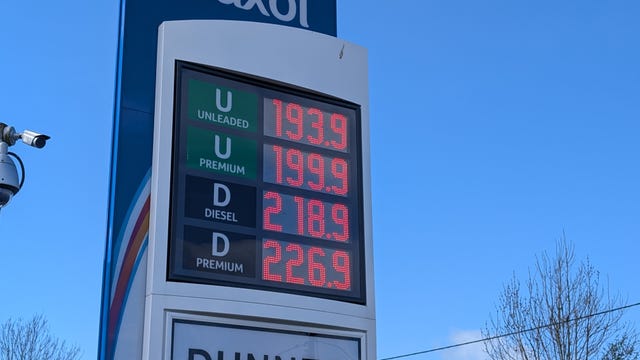
Currently, filling stations are selling petrol for around 193.9 cent, while diesel is available for around 218.9 cent.
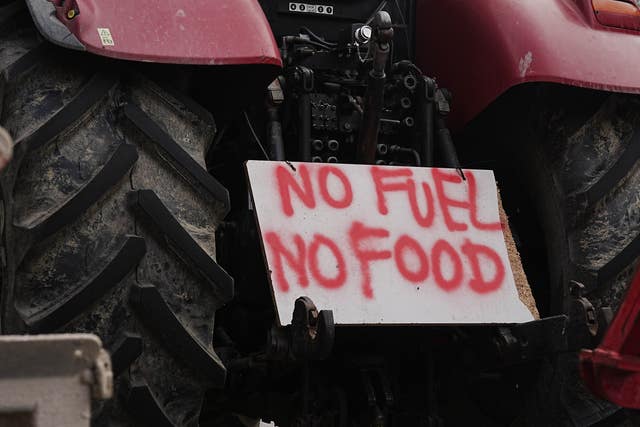
Protesters say the Government needs to take action on fuel prices or they will go out of business.
â Who is behind them?
Several distinct but coordinated protests manifested on Tuesday and have largely been organised through social media channels and messaging apps.
One Facebook page with almost 60,000 followers states that it is made up of professional drivers, farmers, and hauliers as well as taxi and bus operators.
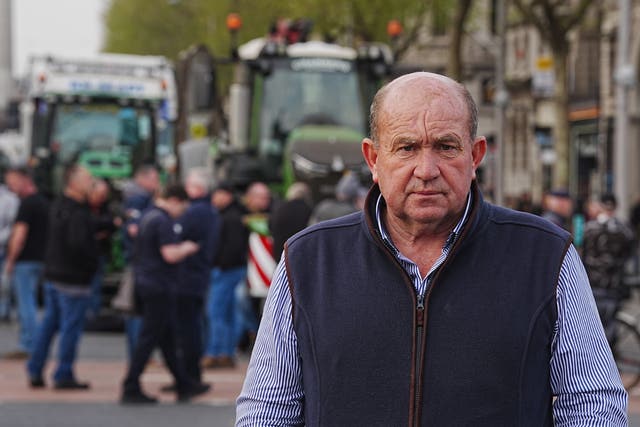
It has been difficult to single out specific “organisers” for the nationwide effort.
In Dublin for example, participants have been reluctant to identify an “organiser” but several spokespeople have emerged – often under the proviso that they have little influence over the actions of their fellow demonstrators in the capital or other locations.
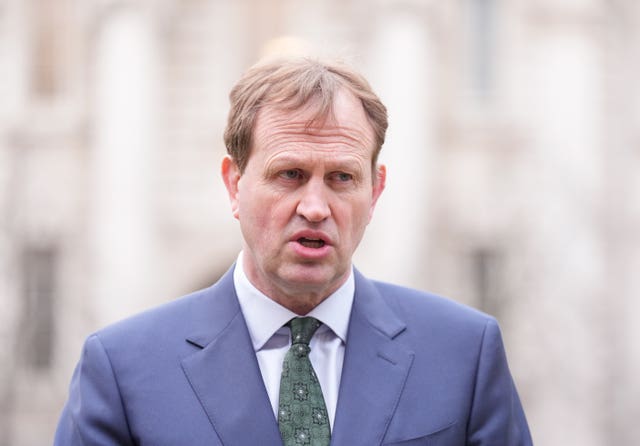
Justice Minister Jim O’Callaghan claimed on Thursday that protesters are being “manipulated” by “outside actors” who want to advance their own political measures or “really want to damage our country”.
Representative bodies recognised by the Government including the Irish Road Haulage Association and the Irish Farmers’ Association are not officially involved in the protest.
What do they want?
The haulage operators and professional drivers want reductions in the cost of fuel, with differing solutions offered.
Some have called for the price to come down through cuts of excise or measures like reductions on carbon tax or VAT.
Others want a cap on fuel prices (with different rates quoted across protest sites) while the war in the Middle East is impacting supplies.
Protesters have also sought commitments from senior Government figures that they will meet representatives to hear their concerns, often as a prerequisite for any dispersal of a blockade.
What areas have been impacted?
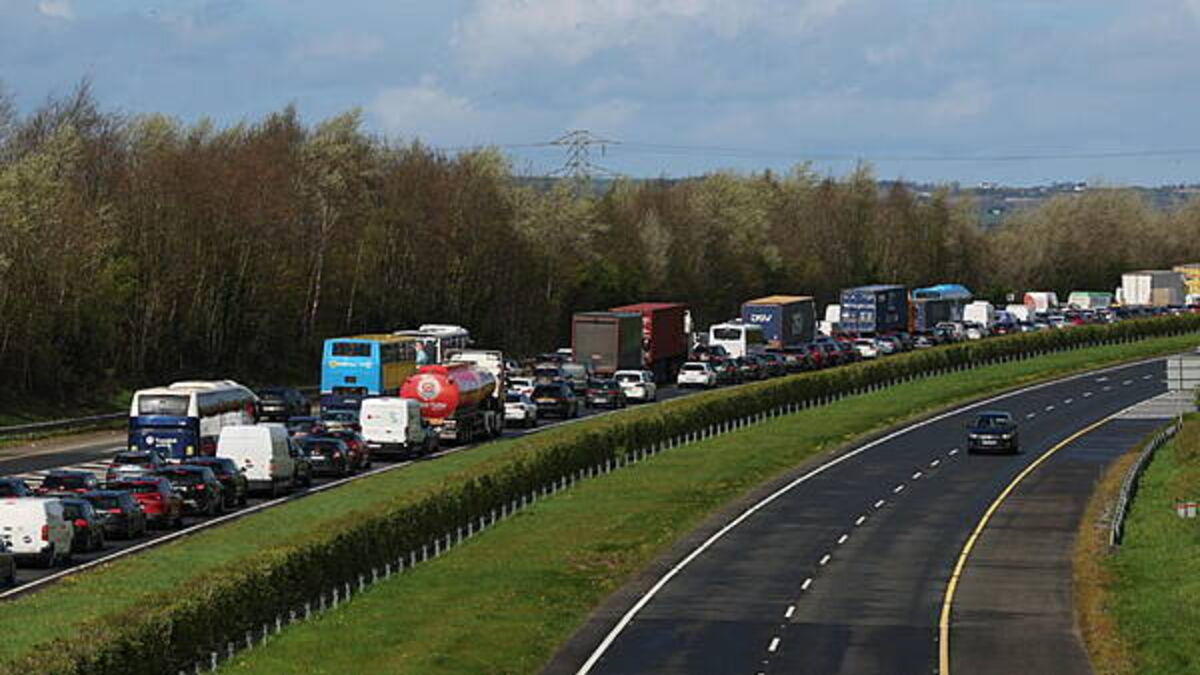
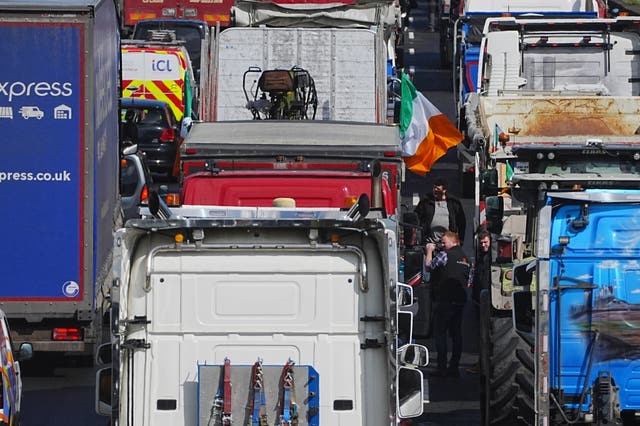
The protests have seen widespread disruption on Ireland’s major motorways as participants engaged in slow-moving convoys and outright stoppages across the initial three days of action.
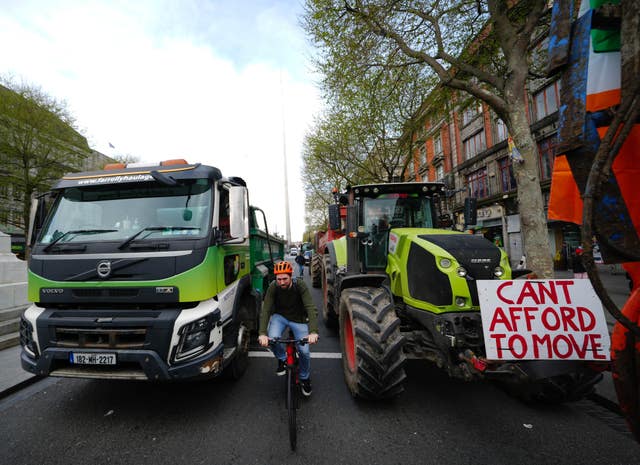
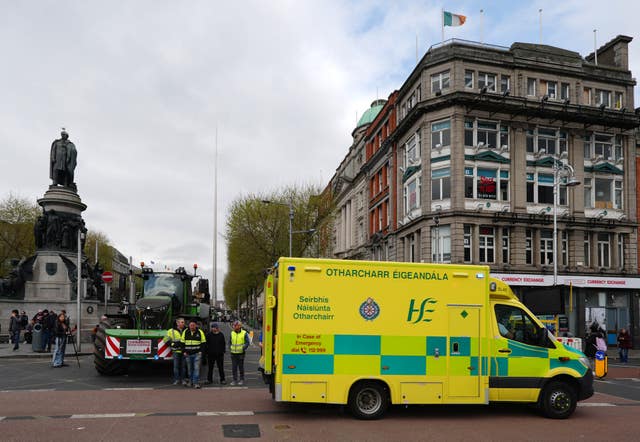
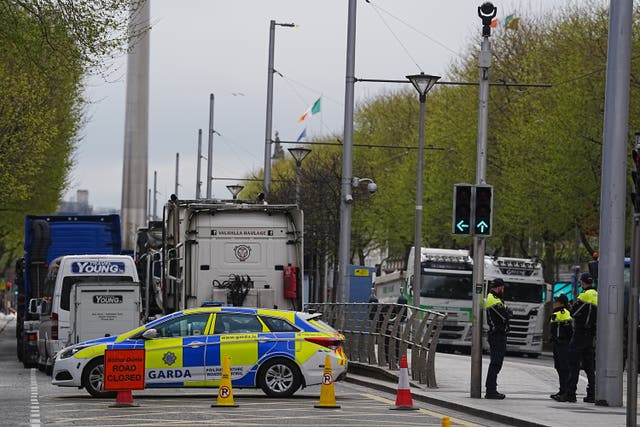
Dublin’s city centre was also brought to a standstill on multiple occasions as tractors blocked the busiest routes around the capital’s main thoroughfare O’Connell Street.
Others blocked the country’s only oil refinery at Whitegate, Co Cork as well as fuel depots in Galway City and Foynes in Co Limerick – with the three sites responsible for providing fuel to roughly half the country, according to an industry expert.
Protests have been organised at other sites, including near Rosslare Europort in Co Wexford.
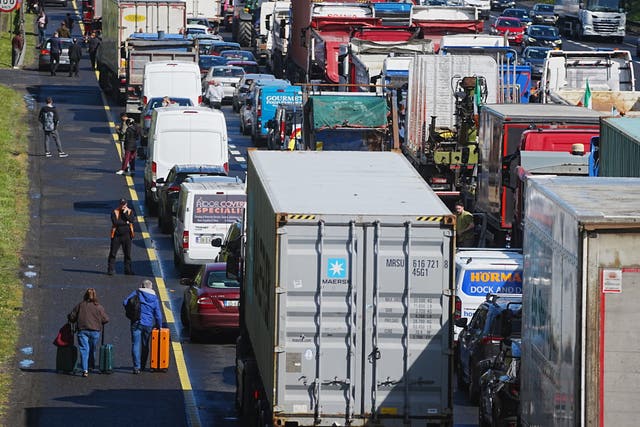
There have been manifold effects of the combined actions including some filling stations running out of petrol and diesel, concerns over the availability of fuel to emergency-service vehicles, and members of the public missing scheduled medical appointments.
Concerns have also been raised about time-sensitive delivery of key medicines as well as the availability of water-treatment chemicals and the vital farm supplies such as animal feed.
Traffic disruption on Dublin’s M50 ring road, which feeds access to the country’s largest airport, also saw some passengers walking in the hard shoulder with their luggage.
What has been the Government's response?
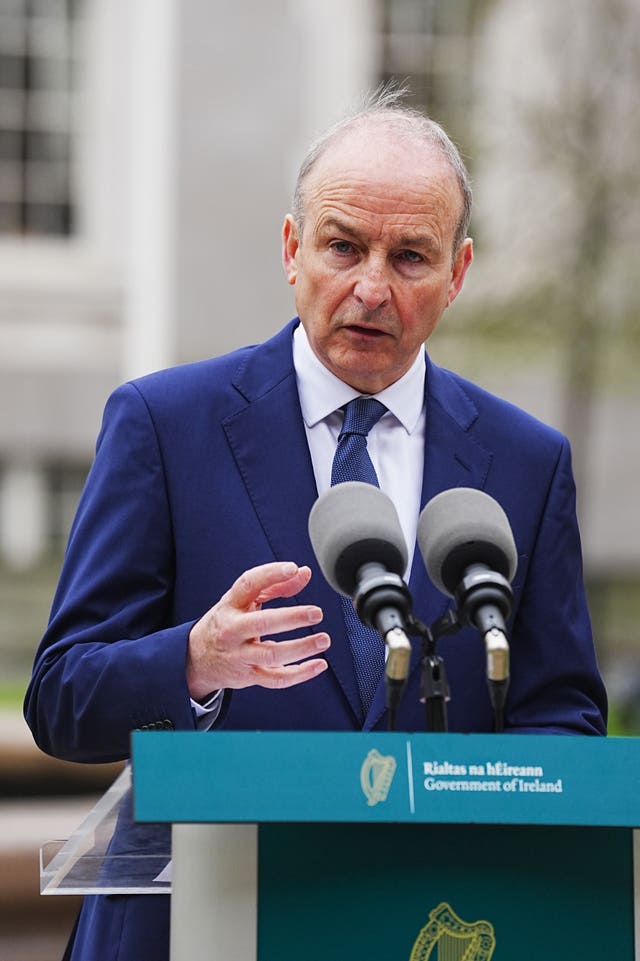
The Government said it is aware of the cost-of-living pressures arising out of the war in the Middle East and senior ministers have said the concerns of protesters have been heard.
Two-and-a-half weeks ago, it signed off on a €250 million package of measures to reduce fuel costs, including a temporary excise duty reduction for motor fuels, expansion of the diesel rebate scheme for hauliers and bus operators, and an extension of the fuel allowance.
It saw an effective reduction of 17 cent for petrol, 22 cent for diesel, and five cent for green diesel – but the savings were largely eroded as the war waged on.
Senior figures have appealed for protesters to call off their action, stating that their concerns have been heard and that the protest had now gone “too far” by causing damage to the wider public.
An Garda Síochána has been monitoring the protest action across the country and officers were present at blockades.
On Thursday, the force said it would enter an “enforcement” phase of its response to the disruption, after Taoiseach Micheál Martin said the Whitegate blockade was an “act of national sabotage”.
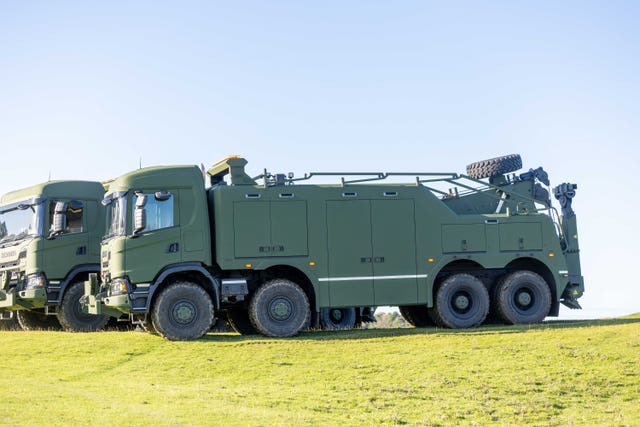
The Defence Forces are “on standby” to assist with the removal of heavy vehicles engaging in blockades of critical infrastructure.
Government leaders and relevant ministers had not accepted requests to meet with protesters by Thursday evening, instead stating that the best approach was to engage with recognised representative bodies.
O’Callaghan expressed concern over the message it would send that anyone who blockades critical infrastructure could expect a meeting with Government.
What is likely to happen next?
Organising groups have vowed to continue the protest on Friday and, if not carrying through the weekend, stated they intend to return to action when the Dáil returns to session on Tuesday.
An industry expert has warned that the number of filling stations running dry is going to increase if longer blockades of the major fuel suppliers continue.
With the knock-on impacts that entail, pressure will increase on Government and State authorities to respond.
Ministers and An Garda Síochána have urged protesters to end the blockades or “face the full rigours of the law” –
Participants have said they will not move until their concerns are heard by Government – or they are forced away – with gardaí instructing demonstrators to disperse from a protest near Rosslare Europort late on Thursday.
Representative organisations are due to have a meeting with Government on Friday, with the possibility of protesters also attending if they are brought by official groups.