Inside the Octagon – The Defence Forces control hub for EU presidency and Trump

By Cillian Sherlock, Press Association
A major security operation will be in place for US President Donald Trump’s visit to Ireland in two weeks, with the Defence Forces drawing on recent experience to co-ordinate its manoeuvres.
Trump will be in Ireland on September 12th and 13th for engagements in the capital, Dublin, as well as at his golf resort in Doonbeg, Co Clare, which will be hosting the Irish Open.
The visit poses additional logistical headaches for the State security services as it comes a fortnight after engagements for Ireland’s Presidency of the Council of the European Union resume following the August break.
The presidency, which began in July and runs until the end of December, sees Ireland hosting hundreds of EU meetings as well as visits by leaders.
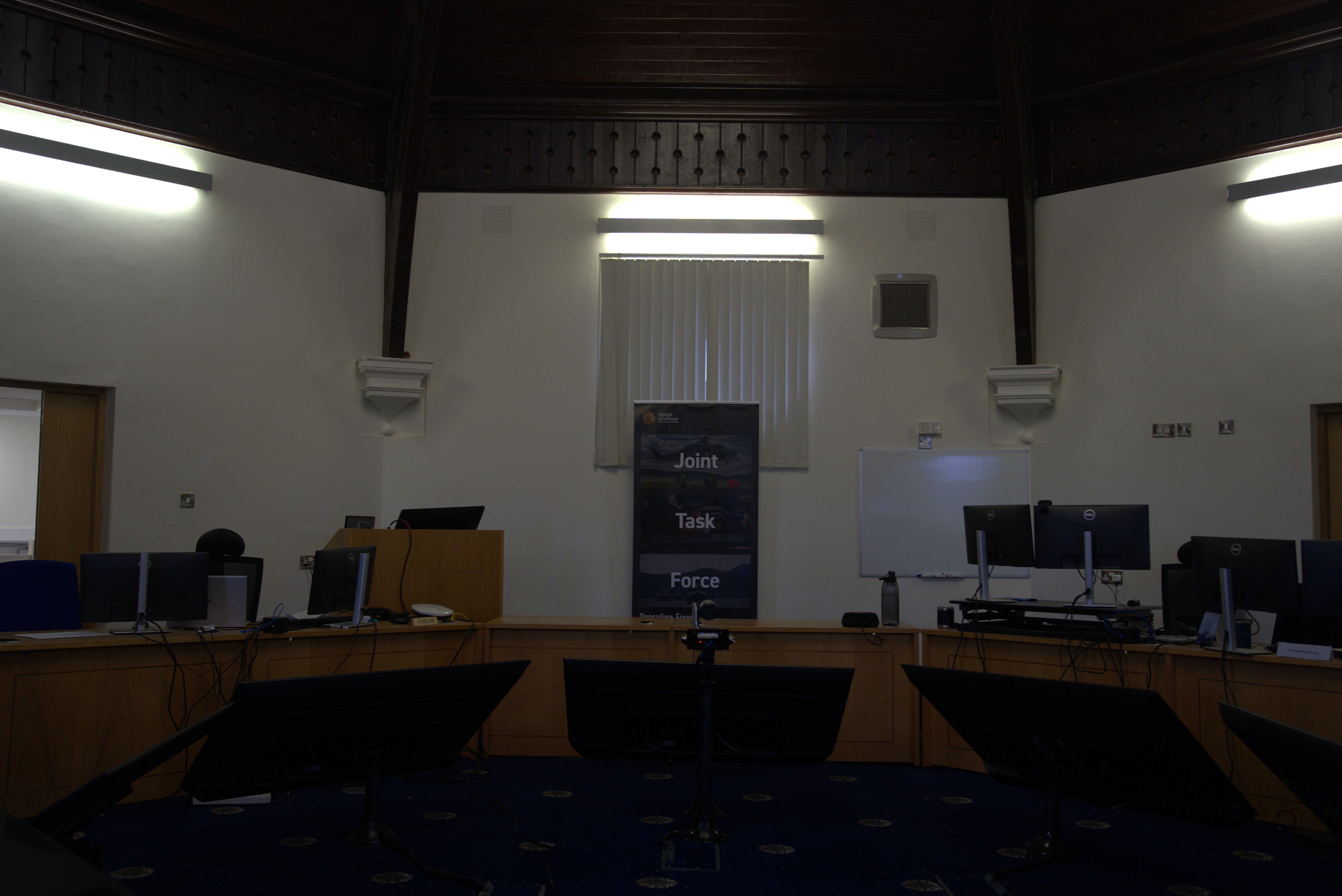
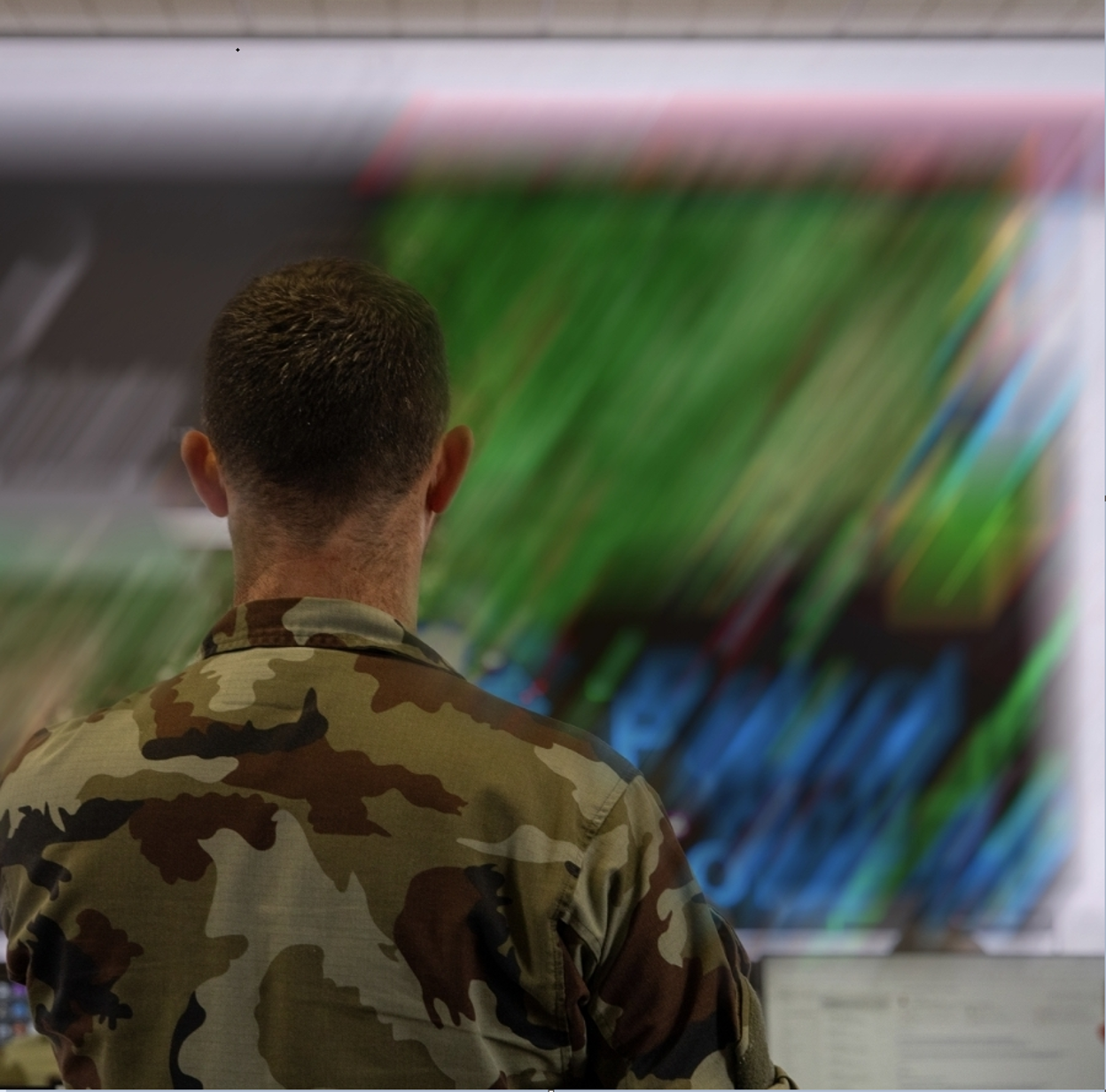
The increased demand for security has seen the military stand up a special joint command and control centre at a Dublin barracks to oversee its response.
Operating out of “the Octagon” at McKee Barracks, the military has established a Joint Task Force (JTF) operation to assist the Irish police service, An Garda Síochána, which is charged with leading security for the events.
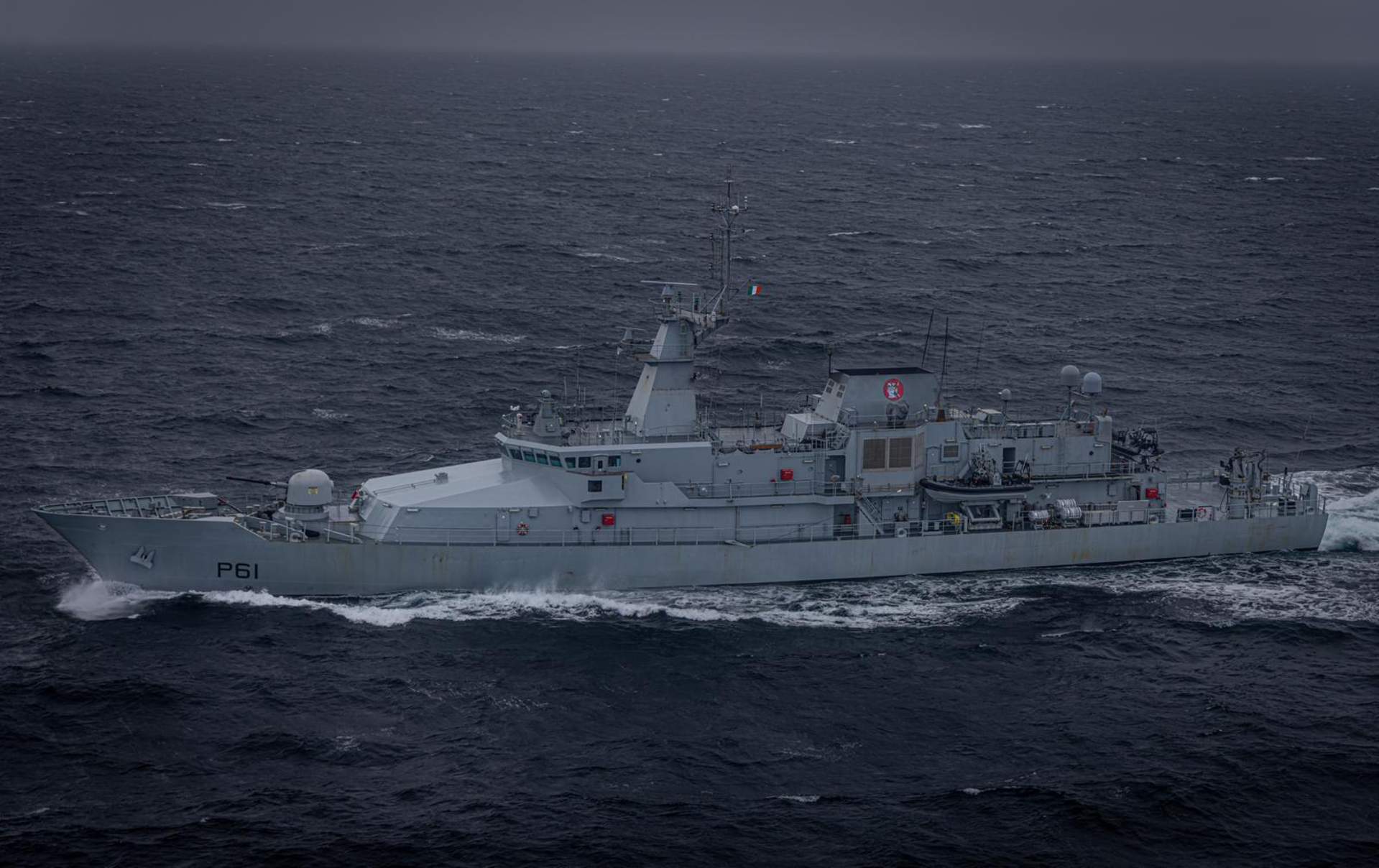
The JTF allows the Defence Forces to co-ordinate its support for gardaí and, under what it is calling Operation Fianna, brings together expertise in intelligence and logistics as well as the land, maritime and air domains.
Rather than having land, maritime, air and cyber operations running as separate capabilities, Operation Fianna is the first time they will be synchronised into a joint command structure under one commander who has control over all of the multi-domain operations.
This has already been put into effect, with the JTF already supporting major presidency events – including the opening ceremony at Dublin Castle on July 1 which was immediately followed by the College of Commissioners meeting in Co Cork on July 2th-3th.
In what was regarded as historic levels of deployment, it saw about 10% of the Defence Forces deployed in support – while the military’s other ongoing work in training, recruitment and overseas missions continued.
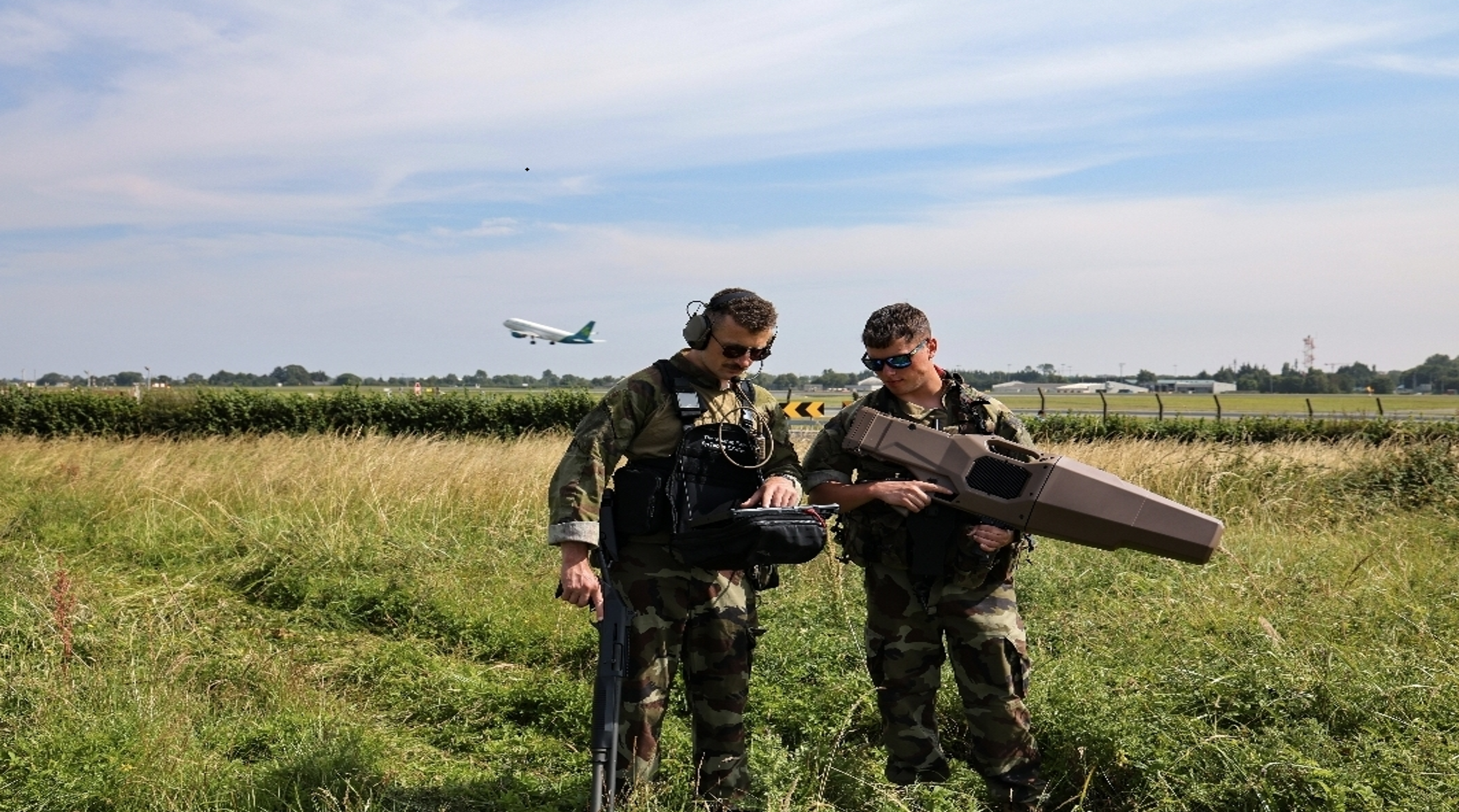
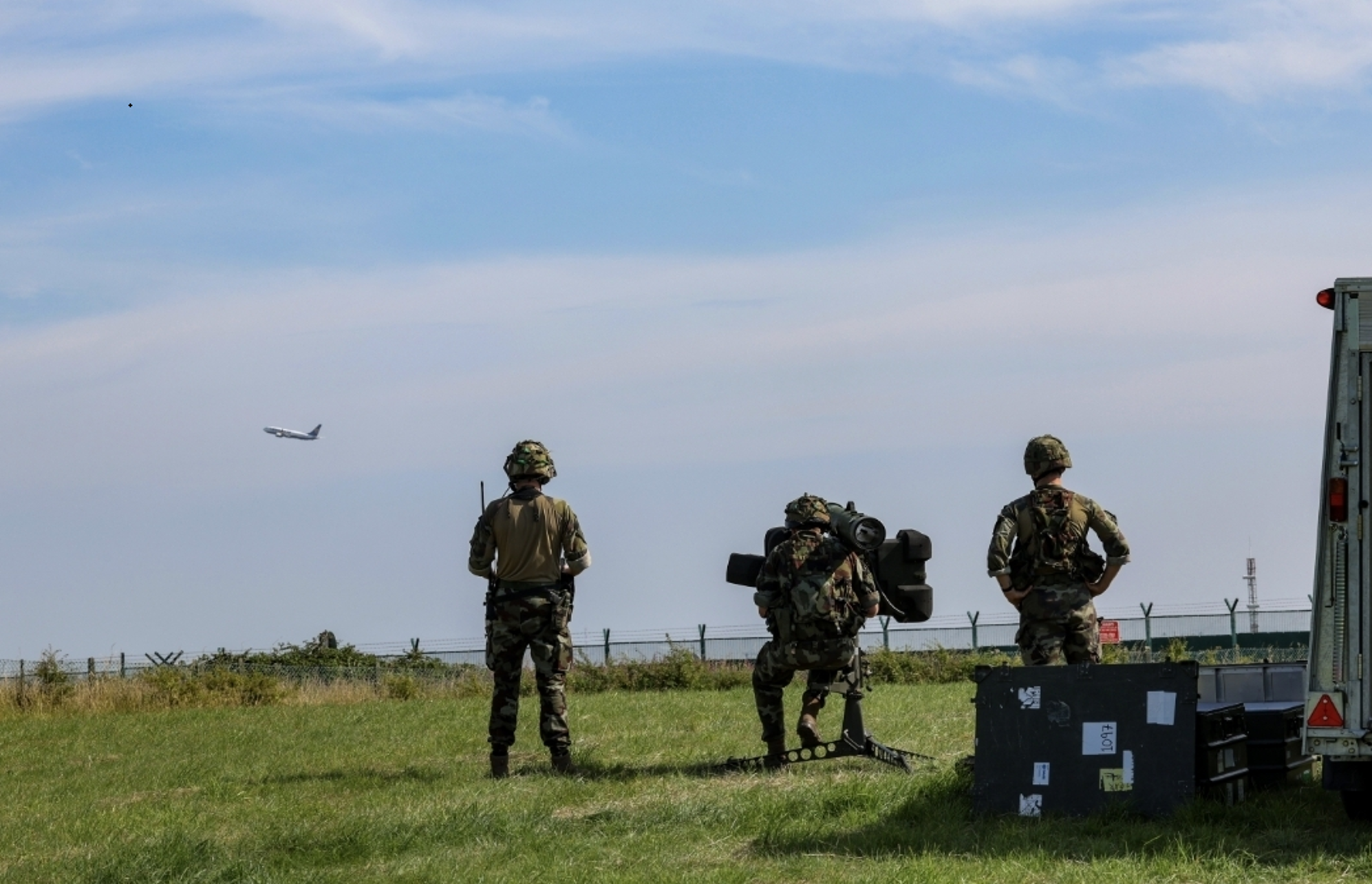
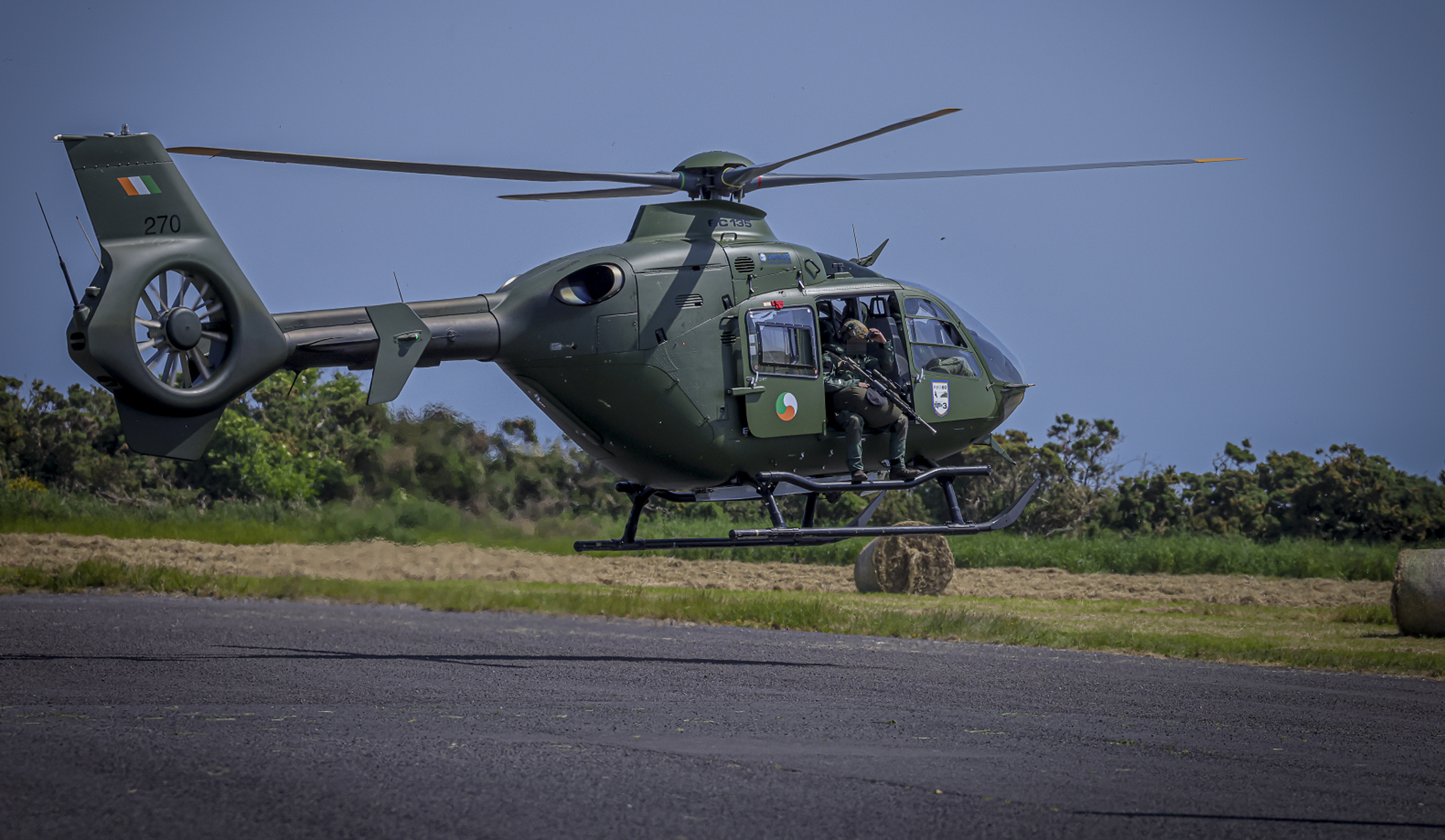
The JTF can co-ordinate land, maritime and air capabilities, including the availability of explosive ordnance disposal and counter drone teams.
The Defence Forces have been onboarding new “ground-based air defence” (GBAD) capabilities in the last six months, which has been operational since the start of the presidency.
The “advanced” mobile SkyWarden system can be deployed around the country on foot of a Garda request.
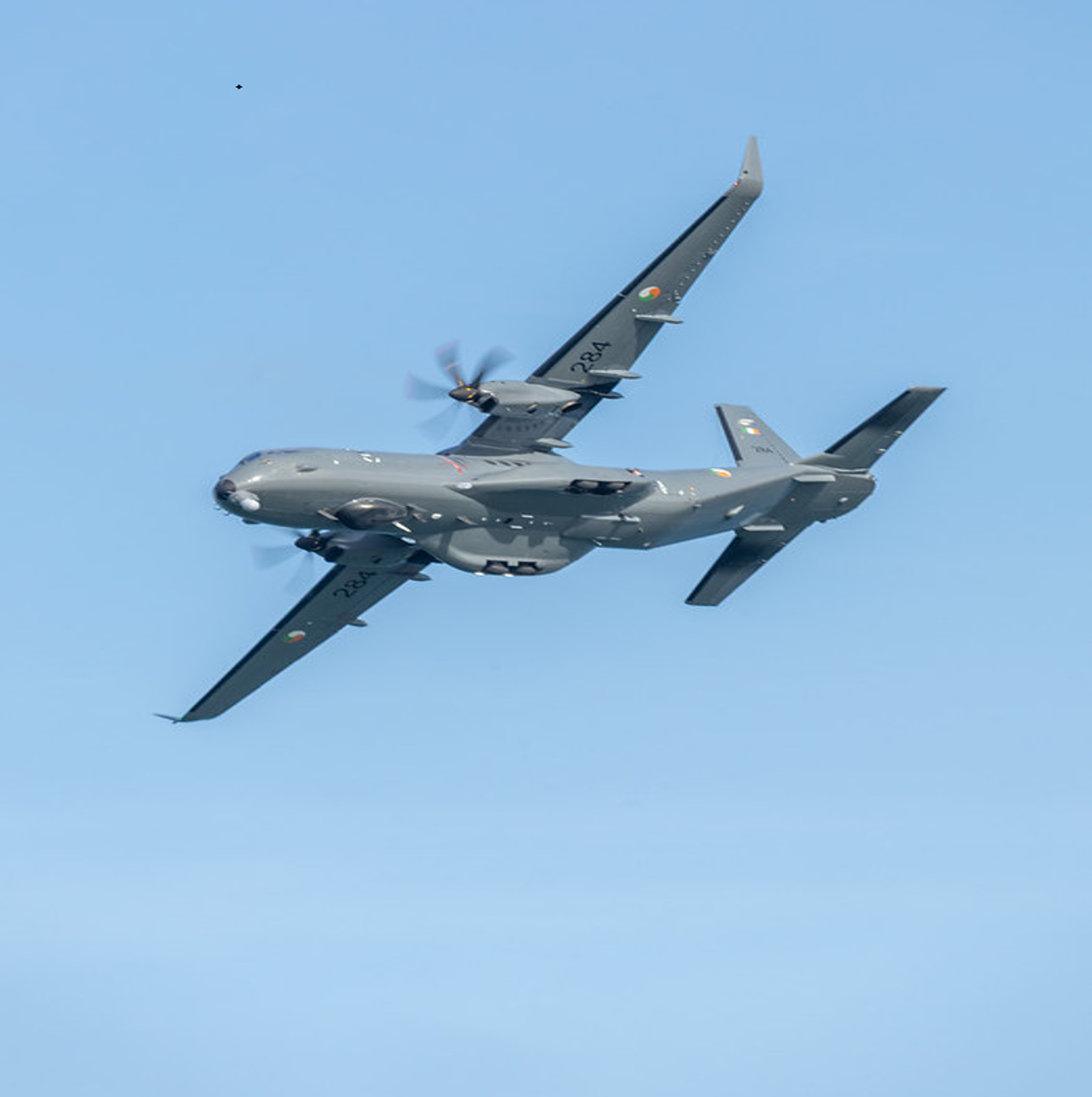
While the core 15-person JTF team is “tight” and “lean”, it can reach into the full range of expertise and specialties across the organisations.
Lieutenant Colonel Barry Hannon, who acts as a military planner and operations officer, said the JTF can call upon a force package “menu” of options or “effects”, such as air policing, maritime defence security operations, and special operation forces.
Special Operations Forces have been and are available to the JTF but have yet to be required during the presidency.
Lt Col Hannon said the JTF had been involved in a “significant number” of “high-level operations” since the start of the presidency.
The structure of the JTF is seen as a “springboard” for the future Joint Force Command, as part of the wider ongoing Future Force Design reforms for modernisation of the Defence Forces.
Deputy Chief of Staff (Operations) Major General John Whittaker said he is “exceptionally proud” of the team involved, adding: “The Joint Task Force is the proof of concept of the future Joint Forces Command and we are continuously developing and onboarding new capabilities to the Defence Forces, as well as refining our current capabilities through Operation Fianna.”
Inside the Octagon, Operation Fianna is led by Colonel Noel Maher, who can use SitaWare “battle management” system to have real-time information on the availability and location of units and other resources on the ground.
He is able to see audio-visual feeds from deployed units on several large monitors dotted around the control centre.
It allows the JTF to give gardaí advice and advance warning of any situations that could impact events.
The Irish Military Intelligence Service also feeds into the JTF where necessary.
Operation Fianna allows for continuous real-time engagement with policing colleagues at every level, including having the JTF deputy commander stationed at the Garda “India Base” control centre when active.
It has been widely reported that UK and French naval vessels have also been asked to provide air defence cover during the presidency.
The Defence Forces and Department of Defence would not comment on the reports.
However, it has been acknowledged that the Defence Forces liaised with EU counterparts – especially those who previously held the presidency – prior to July.